
Mulch Benefits Landscape Health: Expert Guide for Asheville
Key Takeaways
Mulch acts as nature’s protective barrier, retaining soil moisture, regulating temperature, and preventing weeds while gradually enriching your landscape’s foundation. This simple addition delivers profound long-term health benefits for your outdoor spaces.
- Quality mulch reduces watering needs by up to 50% while maintaining consistent soil moisture
- Organic mulches break down slowly, adding valuable nutrients and improving soil structure over time
- Proper mulching prevents erosion on Asheville’s sloped terrain and protects plant roots from temperature extremes
- Strategic mulch application suppresses weeds naturally, reducing maintenance time and chemical inputs
- Fresh mulch creates visual cohesion and enhances curb appeal across your entire landscape design
How Mulch Protects and Nourishes Your Landscape Foundation
Mulch serves as your landscape’s first line of defense against Asheville’s variable weather patterns and seasonal challenges. This protective layer works around the clock, moderating soil temperature during summer heat waves and insulating plant roots through unexpected late frosts. According to EPA environmental guidelines, organic materials applied as ground cover significantly reduce water evaporation from soil surfaces. Our family has witnessed countless Asheville properties transform when homeowners invest in proper mulching techniques that work with our mountain climate rather than against it. Quality mulch creates the stable foundation your plants need to develop strong root systems and resist environmental stress. The right mulching strategy protects your landscaping investment while reducing the ongoing maintenance your outdoor spaces require to stay beautiful year after year.
Moisture Retention and Water Conservation Benefits
Water management becomes critical for Asheville landscapes, especially during our increasingly unpredictable summer dry spells and periods of intense rainfall. For complete coverage of water-smart landscaping strategies, see our Professional Mulching Services for Asheville Properties resource. Properly applied mulch acts like a natural sponge, absorbing moisture during heavy rains and releasing it slowly during dry periods. According to the Insurance Information Institute, proper landscape water management can reduce property damage from both drought stress and water runoff. We’ve helped Biltmore Forest homeowners cut their irrigation costs significantly by implementing strategic mulching that maintains consistent soil moisture levels. Three-inch layers of organic mulch can reduce watering needs by up to 50% while preventing the soil compaction that occurs when heavy rains hit bare ground. This moisture regulation creates ideal growing conditions for both established plantings and new additions to your landscape design.
Choosing the Right Mulch for Asheville Conditions
Different mulch materials offer varying benefits for our local growing conditions. Hardwood mulches break down slowly, providing long-lasting coverage and gradual soil improvement. Pine bark works exceptionally well for acid-loving plants like azaleas and rhododendrons that thrive in our region. Organic options feed beneficial soil organisms as they decompose, creating the rich, living soil that supports healthy plant growth for decades.
Soil Health and Nutrient Enhancement Over Time
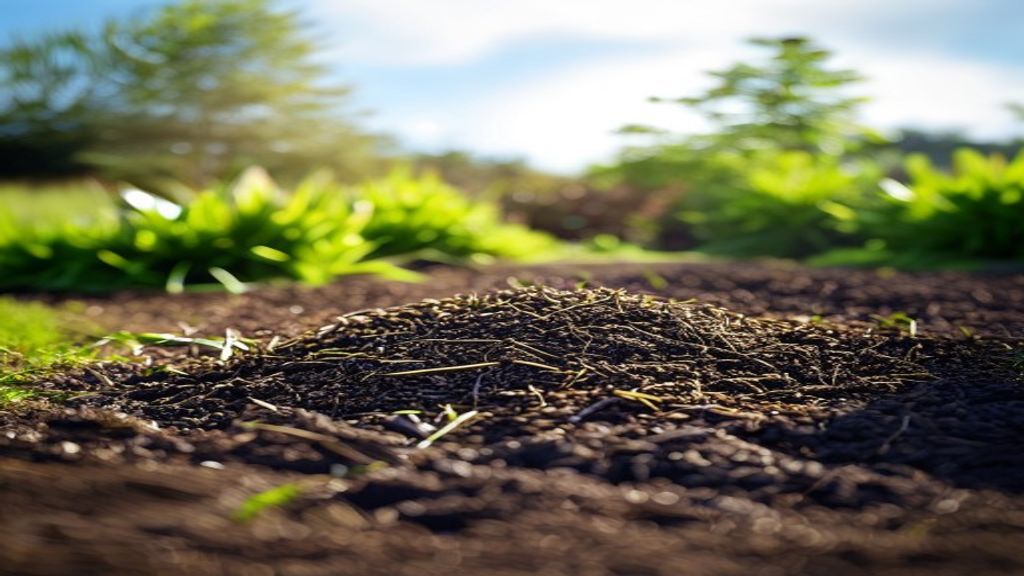
The long-term soil benefits of consistent mulching create the foundation for landscapes that improve rather than decline with age. Organic mulches decompose gradually, adding organic matter that improves soil structure, drainage, and nutrient availability. According to ASHRAE environmental standards, organic ground cover materials contribute significantly to soil carbon sequestration and overall ecosystem health. Our 50-year experience working with Asheville’s clay-heavy soils has shown us how strategic mulching transforms difficult growing conditions into thriving garden environments. As mulch breaks down, it feeds earthworms and beneficial bacteria that create the biological activity healthy plants require. This natural process eliminates the need for synthetic soil amendments while gradually building the deep, rich growing medium that supports lush, resilient landscapes. The investment you make in quality mulching today pays dividends for years as your soil becomes increasingly fertile and self-sustaining.
Temperature Regulation and Root Protection
Asheville’s mountain climate subjects plant roots to significant temperature fluctuations that can stress or damage vulnerable root systems. Quality mulch insulates soil against these temperature swings, keeping roots cooler during summer heat and warmer during winter cold snaps. The Sustainable Agriculture Research reports that proper ground cover management can moderate soil temperature by up to 15 degrees compared to bare soil. We’ve observed how properly mulched beds maintain healthier plant growth through Asheville’s unpredictable weather patterns, from late spring freezes to extended summer heat waves. This temperature buffering effect proves especially important for newly planted trees and shrubs that haven’t yet developed extensive root systems. Consistent soil temperatures encourage steady root development and reduce the transplant shock that can set back new plantings for months. Your landscape investment performs better and lasts longer when plants can focus energy on growth rather than surviving temperature stress.
Protecting Against Extreme Weather Events
Mulched landscapes show remarkable resilience during severe weather events common to our region. The protective barrier prevents soil erosion during heavy downpours while providing insulation against sudden temperature drops. This natural armor system helps your plantings weather storms and recover more quickly from environmental stress.
Weed Suppression and Maintenance Reduction
Effective weed control through mulching saves countless hours of manual weeding while eliminating the need for chemical herbicides that can harm beneficial soil organisms. Thick mulch layers block sunlight from reaching weed seeds, preventing germination while allowing established plants to thrive. According to NFPA landscape maintenance guidelines, organic mulching reduces landscape maintenance time by up to 60% compared to unmulched areas. Our family has helped Asheville homeowners reclaim their weekends by implementing mulching systems that virtually eliminate weeding from their maintenance routines. The few weeds that do emerge from mulched beds pull easily from the soft, moist soil underneath. This natural weed barrier stays effective throughout the growing season, unlike pre-emergent chemicals that require repeated applications. Strategic mulching creates the low-maintenance landscapes that busy homeowners need while supporting the healthy growing environment that plants require to flourish naturally without constant intervention.
Visual Appeal and Landscape Cohesion
Fresh mulch provides the finishing touch that ties your entire landscape design together with professional polish and visual continuity. The uniform color and texture create clean lines between planted areas and lawn spaces while highlighting the natural beauty of your trees, shrubs, and perennial gardens. We’ve seen how quality mulching instantly elevates curb appeal, making even modest landscapes look expertly maintained and thoughtfully designed. The rich, dark color of fresh organic mulch makes plant foliage appear more vibrant while creating the contrast that defines garden beds and walking paths. This visual framework helps guests navigate your outdoor spaces naturally while showcasing the careful planning that goes into well-designed landscapes. Regular mulch refreshing maintains this crisp appearance year after year, ensuring your property always looks well-cared-for and inviting. For comprehensive garden planning that incorporates seasonal interest, explore our perennial vs annual garden planning strategies that work beautifully with mulched bed systems.
Frequently Asked Questions
How Deep Should Mulch Be Applied for Best Results?
Apply organic mulch in 2-3 inch layers for optimal benefits without restricting air and water movement to plant roots. Deeper applications can create anaerobic conditions that harm plants, while thinner layers won’t provide adequate weed suppression or moisture retention.
Which Mulch Types Work Best in Asheville’s Climate?
Hardwood mulches and aged pine bark perform exceptionally well in our humid subtropical climate, breaking down slowly while resisting mold and pest issues. Avoid fresh wood chips and dyed mulches that can create nitrogen deficiencies or introduce harmful chemicals.
How Often Should Mulch Be Refreshed or Replaced?
Plan to refresh organic mulch annually in spring, adding 1-2 inches to maintain proper depth as existing mulch decomposes. High-traffic areas may need attention twice yearly, while established beds often maintain good coverage with annual refreshing. For comprehensive seasonal preparation including mulch refreshing, our spring prep checklist provides detailed timing recommendations.
Can Mulch Attract Pests or Create Problems?
Quality organic mulches properly applied actually reduce pest problems by supporting beneficial insects and soil organisms. Keep mulch several inches away from tree trunks and building foundations to prevent moisture issues and pest harboring.
Does Mulch Help With Erosion Control on Slopes?
Mulch provides excellent erosion protection on Asheville’s sloped terrain by absorbing rainfall impact and slowing water movement across soil surfaces. Combined with appropriate plantings such as native plants that thrive in Asheville’s climate, mulching creates stable growing conditions even on challenging grades.
When Is the Best Time to Apply Fresh Mulch?
Late spring application works best for most Asheville landscapes, allowing soil to warm naturally before adding insulating mulch layers. Fall mulching provides winter protection but should be applied after plants have begun dormancy.
Should Mulch Touch Plant Stems and Tree Trunks?
Always leave several inches of clear space around plant stems and tree trunks to prevent moisture buildup and pest issues. Mulch should form a donut shape around trees rather than touching the bark directly.
Start Building Healthier Landscapes With Professional Mulching
Quality mulching creates the foundation for landscapes that improve with age rather than requiring constant intervention to maintain their beauty. Our family’s five decades of experience in Asheville has shown us how proper mulching transforms ordinary outdoor spaces into thriving ecosystems that support both plant health and homeowner enjoyment. The investment in professional mulching services pays immediate dividends in reduced maintenance and long-term benefits in soil health, plant performance, and visual appeal. We listen carefully to your landscape goals and recommend mulching strategies that support your specific growing conditions and design preferences through our comprehensive garden design process. Contact us today.