Smart perennial vs annual garden planning in Asheville starts with understanding your property’s elevation, microclimate, and soil — then choosing the right mix of plants to give you structure, color, and year-round interest.
- Perennials return each year and build stronger root systems over time, making them a reliable foundation for your landscape
- Annuals complete their life cycle in one season and give you the freedom to change your garden’s color and character every year
- Combining both types creates gardens that perform well across Asheville’s varied terrain and mountain microclimates
- Timing your plantings around Asheville’s last frost date and your property’s elevation makes a real difference in plant establishment
- Native plants and proper soil preparation give both perennials and annuals the best start
Understanding Perennial vs Annual Garden Planning in Asheville’s Mountain Climate
Perennial vs annual garden planning in Asheville is not the same as planning a garden in the Piedmont or the coast. Asheville’s residential properties span dramatically different terrain, and each one calls for a distinct approach rooted in local knowledge. Mountain lots face elevation changes, varying moisture levels, and frost patterns that don’t follow a simple calendar. Your neighbor’s garden timeline might not work for your property, even if you live just a few miles apart.
Your elevation shapes nearly every planting decision you make. Properties at higher elevations experience later spring warming and earlier fall frosts, which affects both when perennials emerge and when it’s safe to put annuals in the ground. Lower elevation gardens near the French Broad River enjoy longer growing seasons but face different moisture challenges. Respecting what your landscape naturally supports is where good garden planning always begins.
What Are Perennial and Annual Plants?
Perennials are plants that live for more than two years, returning each growing season from their established root systems. Annuals complete their entire life cycle — germination, flowering, seed production, and death — within a single growing season. Understanding this core difference is the foundation of any successful garden plan.
Perennials invest their energy underground. Each year they come back a little stronger, spreading wider and tolerating stress better than the year before. Annuals invest their energy above ground. They push out color fast, bloom hard all season, and ask you to replant them next year. Neither type is better on its own. The real question is how you use them together to get the garden you want. A biennial is a third category worth knowing — it completes its life cycle over two years, producing foliage the first year and flowers the second before dying. Examples include foxglove and hollyhock, both of which you’ll see in Western North Carolina gardens.
Perennial Plants: Your Garden’s Permanent Foundation
Perennials form the backbone of sustainable Asheville gardens because they return year after year, developing stronger root systems and better drought tolerance over time. Native perennials like Purple Coneflower, Black-eyed Susan, and Wild Bergamot thrive in our climate while supporting local wildlife. These investments pay dividends as they mature, requiring less water and maintenance while providing consistent structure to your landscape design. You can learn more about perennial plants and their characteristics to understand why they anchor so many well-designed gardens.
Establishing perennials takes patience, but the results stay with you. Spring plantings benefit from Asheville’s natural rainfall, giving roots time to develop before summer heat arrives. Fall plantings work well for many species too, allowing them to settle in before winter dormancy. The key is choosing varieties suited to your specific microclimate and soil conditions rather than following a generic planting guide written for somewhere else.
Native perennials deserve a special mention here. Plants like Purple Coneflower and Wild Bergamot are adapted to local soil and climate conditions, so they typically establish faster and require less ongoing maintenance than non-native varieties once they’re in the ground. The National Wildlife Federation’s Native Plant Finder is a practical tool for identifying regionally appropriate perennials for your specific zip code.
One common question is what people call the “three-year rule” for perennials. The general idea in garden practice is: in the first year a perennial sleeps, in the second year it creeps, and in the third year it leaps. It’s a useful way to set expectations — don’t judge a perennial’s performance in its first season. By year three, most well-chosen perennials are hitting their stride.
Annual Plants: Seasonal Color and Creative Flexibility
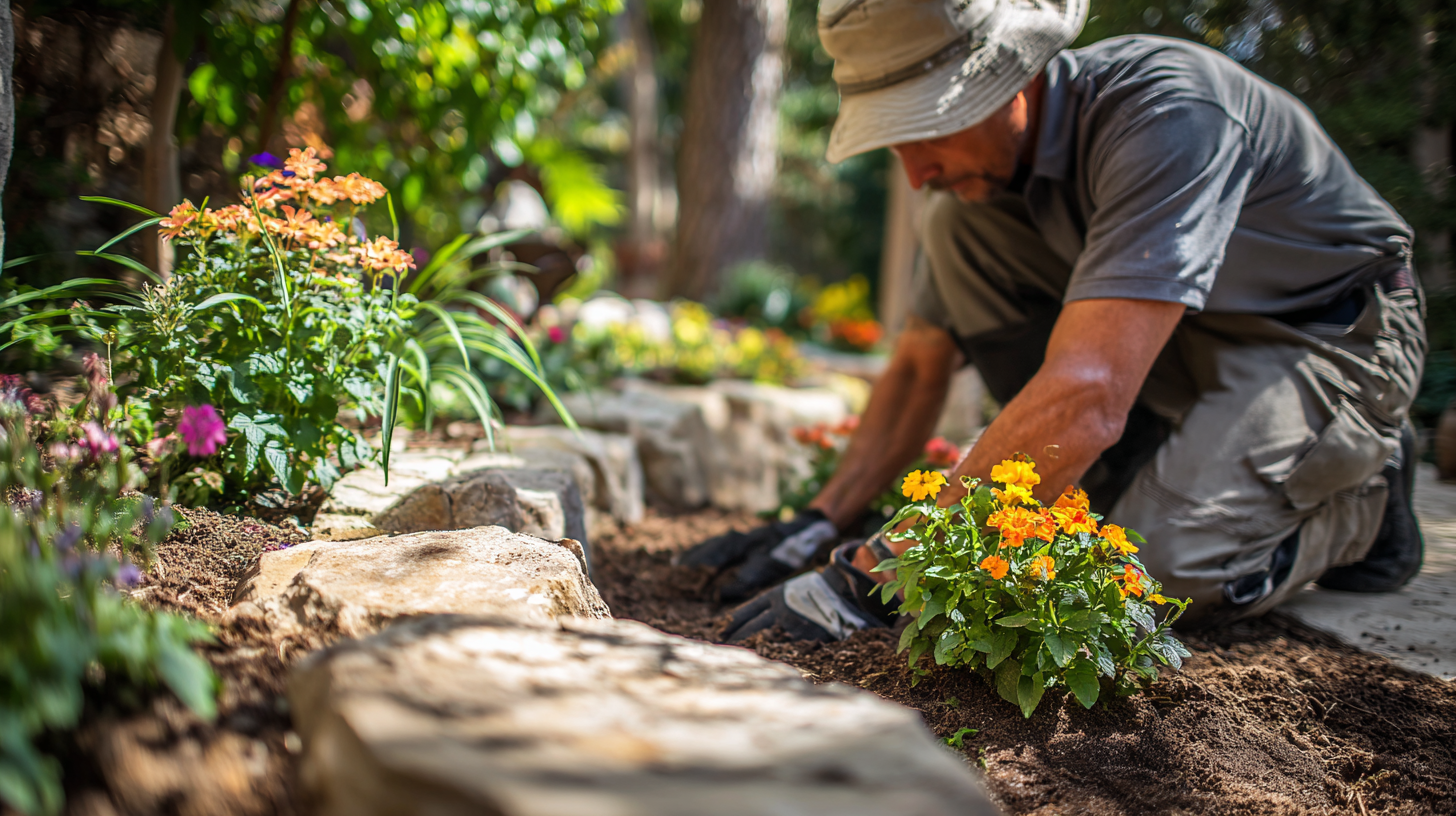
Annuals complete their entire life cycle in one growing season, giving you unmatched flexibility to experiment with colors, textures, and garden themes each year. Marigolds, Zinnias, and Impatiens provide continuous blooms from spring through first frost, filling gaps between perennials and adding visual energy to established plantings. This flexibility lets you adapt your garden’s personality every year without committing to permanent changes. Fall cleanup routines help prepare your beds for next season’s annual plantings.
Strategic annual placement gets you more impact for your effort. Clustering annuals in dedicated beds or containers makes seasonal changeovers easier and more dramatic. Many Asheville homeowners use annuals to test color combinations before investing in perennial plantings. This approach works well in variable mountain microclimates, where running a plant through one full season tells you more than any planting guide can.
Timing Annual Plantings Around Asheville’s Last Frost
Asheville’s last frost typically occurs in mid to late April, but elevation affects this timing in real and meaningful ways. Warm-season annuals — including heat-loving flowers, tomatoes, and peppers — should wait until soil temperatures consistently reach 60 degrees Fahrenheit before going in the ground. Cool-season annuals such as pansies and snapdragons can go in several weeks earlier and often survive light frosts with a little protection. The Old Farmer’s Almanac frost date resource lets you look up your exact last frost date by zip code, which is worth doing if your property sits at a higher elevation. Understanding seasonal maintenance schedules helps you coordinate all your garden activities across the property at once.
Mixing Perennials and Annuals: How to Build a Garden That Works Year-Round
The most successful Asheville gardens combine perennials and annuals strategically, letting each type do what it does best. Perennials provide the structural foundation — the bones of your garden. Annuals fill seasonal gaps, extend bloom periods, and give you a creative outlet each spring without any long-term commitment.
Layering creates depth and keeps something interesting happening from early spring through fall. Tall perennials like Joe Pye Weed or native grasses anchor the back of a bed. Mid-height perennials like Bee Balm or Sedum hold the middle ground, while low-growing perennials edge the front. Annuals weave through this framework, providing color bridges between perennial bloom periods and seasonal highlights where you need them most.
Bloom timing matters as much as plant selection. Early spring perennials like Bloodroot and Wild Ginger emerge before most annuals are even in the ground. Summer perennials carry the garden through the peak growing season, while late-season bloomers like Asters extend color deep into fall. Strategic annual placement fills any remaining gaps so your garden never looks bare. A landscape site analysis checklist helps you map out sun exposure and soil conditions before you commit to any planting plan.
It’s also worth thinking about what plants grow well together. Incompatible plants can compete for the same nutrients or space, or one may release compounds that suppress another’s growth. When planning combinations, cluster plants with similar water and sun requirements. Avoid placing aggressive spreaders directly beside slow-growing perennials that need room to establish. The NC State Extension plants and gardens program offers region-specific guidance on plant compatibility and combinations that perform well in Western North Carolina conditions.
Soil Preparation: The Step Most Gardeners Skip
Both perennials and annuals perform better when the soil is ready for them, but the preparation is different depending on which type you’re planting. Annuals need loose, well-draining soil enriched with organic matter. Perennials need all of that plus deeper soil preparation, since their roots will occupy the same ground for years and need space and structure to grow down rather than sideways.
Asheville soils tend toward clay in many areas. Clay holds moisture but drains poorly and compacts easily, which creates problems for roots. Amending with compost improves both drainage and root penetration. Using proper mulching techniques after planting helps maintain soil moisture and temperature while suppressing weeds. Checking and correcting soil pH before you plant is equally important. Many Asheville soils run acidic, and certain plants struggle to take up nutrients when pH is off. Lime application for pH correction is a practical first step before introducing new perennial or annual plantings. For fertilization that supports healthy establishment, understanding your fertilizer options is worth doing before you plant.
Frequently Asked Questions
What is the difference between perennial and annual plants?
Perennials are plants that live for more than two years, returning each growing season from their established root system. Annuals complete their entire life cycle — germination, flowering, and seed set — within a single growing season and then die. Biennials are a third category that take two years to complete their cycle. For garden planning purposes, perennials provide lasting structure while annuals deliver seasonal color and flexibility. In Asheville’s mountain climate, the distinction matters especially because elevation and frost timing affect when each type can be planted and how long each growing season runs.
Which type of plant offers better value for Asheville gardens?
Perennials provide better long-term value because they return each year and develop stronger, more drought-tolerant root systems over time. The initial investment in a perennial pays off across many seasons. Annuals carry a higher recurring cost since they need to be replanted each season, but they offer immediate impact and the creative freedom to change your garden’s look every year. Most Asheville homeowners find that a combination of both types gives them the best of both — reliability from their perennials and freshness from their annuals each spring.
When should I plant perennials in the Asheville area?
Spring and fall are the two best planting windows for perennials in Asheville. Spring plantings benefit from natural rainfall and mild temperatures that help roots develop before summer heat arrives. Fall plantings allow root establishment before winter dormancy sets in, and many perennials come through their first winter in good shape if planted early enough in the season. Avoid planting during summer heat stress periods when possible. Follow proper fertilizer application methods at planting time to support healthy establishment without burning new roots.
Can annuals and perennials be planted together successfully?
Yes. Combining perennials and annuals is one of the most effective approaches to garden design. Perennials give your garden structure and consistency from year to year. Annuals fill in seasonal gaps, add bursts of color between perennial bloom periods, and let you experiment without permanent commitment. This combination works well in Asheville’s mountain climate, where different elevations and microclimates create varying conditions across a single property. The NC State Extension plants and gardens program offers region-specific guidance on combining plant types for results that hold up in Western North Carolina.
Which plants work best at higher elevations around Asheville?
Higher elevation properties should prioritize cold-hardy perennials and shorter-season annuals. Native mountain plants like Wild Columbine and Foam Flower are well suited to elevation because they’re adapted to shorter growing seasons, cooler temperatures, and the soil conditions found at altitude. Cool-season annuals like pansies and snapdragons also perform better than heat-loving varieties at higher elevations. Warm-season annuals can still be planted, but they go in later in spring and get pulled earlier in fall when frost arrives. The National Wildlife Federation’s Native Plant Finder is a helpful resource for identifying native perennials that are matched to your specific location.
How often do annual plantings need to be replaced?
Most annuals require replacement twice a year in Asheville. Cool-season annuals planted in early spring or fall provide color through the cooler months, while warm-season varieties planted after the last frost carry color through summer and into early fall. Planning for two planting cycles each year lets you keep your beds looking fresh across all four seasons. Fall cleanup between cycles prepares beds properly for the next planting and removes spent plants that can harbor pests or disease over winter.
Build Your Garden with Professional Help in Asheville
Getting the balance of perennials and annuals right takes more than a list of plant names. It takes an understanding of your property’s specific conditions — your elevation, your soil, your sun exposure, and what you actually want your outdoor space to look like season to season. Every garden project is personal to us, and we’re committed to helping Asheville and Biltmore Forest homeowners create outdoor spaces that bring real joy year after year. We listen carefully to your vision and recommend combinations that will thrive where you live, not just on paper.
Request a free, no-obligation estimate for your landscaping project by filling out our simple contact form now.