Professional Tree Pruning Techniques for Asheville
Key Takeaways
Proper tree pruning techniques protect your Asheville property investment while maintaining tree health through seasonal timing, strategic cuts, and understanding local mountain climate challenges.
- Winter dormant season provides optimal timing for most tree pruning in Asheville’s climate
- Three-cut technique prevents bark stripping on larger branches during removal
- Crown thinning improves air circulation and reduces storm damage risk
- Dead, diseased, and damaged wood removal should happen immediately regardless of season
- Native species like dogwood and maple require specific pruning approaches
Essential Pruning Techniques for Mountain Climate Trees
Asheville’s unique mountain terrain and elevation changes demand specialized tree pruning approaches that account for our region’s weather patterns and native species. The Bureau of Labor Statistics reports that proper tree maintenance increases property values by up to 15%, making skilled pruning both an aesthetic and financial investment. Our family has refined these techniques over five decades of serving Asheville properties, adapting traditional methods to work with the humid subtropical climate and seasonal variations that define our area.
Successful tree pruning starts with understanding when and where to make cuts. The dormant season between late December and early March provides the ideal window for most pruning work, as trees focus energy on root development rather than wound healing. According to EPA guidance on tree health, this timing reduces stress and minimizes the risk of pest invasion through fresh cuts.
Strategic Crown Management for Storm Resilience
Crown thinning stands as one of the most valuable techniques for Asheville properties, where summer storms and winter ice can devastate poorly maintained trees. This method involves selectively removing interior branches to improve air circulation and light penetration while maintaining the tree’s natural shape. For comprehensive tree care strategies, see our Tree Trimming Service Near Me: Expert Arborists in Asheville resource that covers all aspects of professional maintenance.
The process requires removing no more than 25% of living crown in a single season, focusing on branches that cross or rub against each other. Water sprouts and suckers get priority removal, as these weak growths rarely develop proper strength and often become entry points for disease. Our experience with Biltmore Forest properties has shown that properly thinned crowns survive severe weather events far better than untouched trees.
Crown raising involves removing lower branches to provide clearance for buildings, walkways, or vehicle access. The International Society of Arboriculture recommends maintaining live crown ratios of at least 60% to ensure tree vitality, which means careful selection of which branches to remove.
Proper Cutting Techniques That Prevent Tree Damage
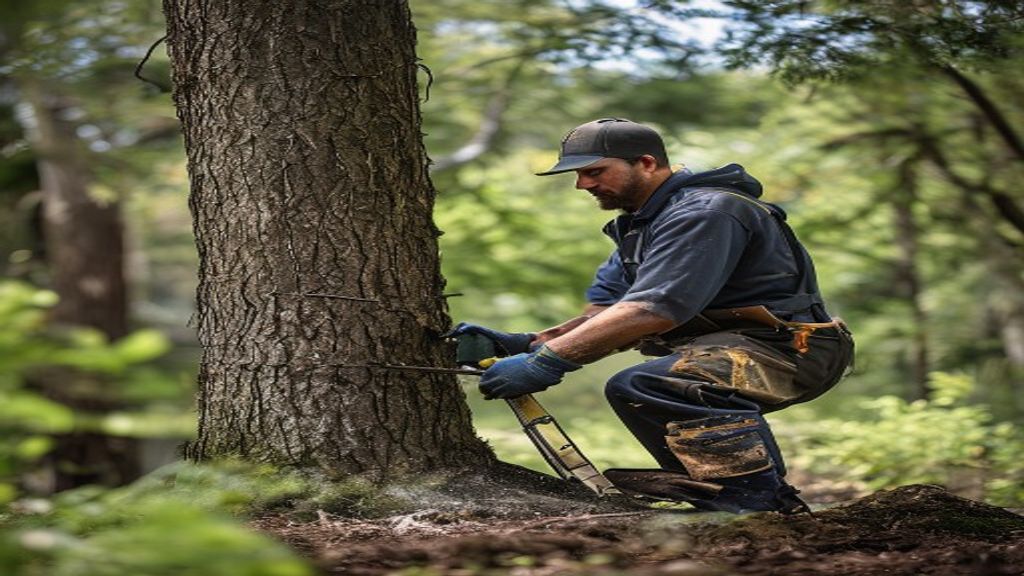
The three-cut technique forms the foundation of safe branch removal, particularly for limbs larger than two inches in diameter. This method prevents the bark from stripping down the trunk when heavy branches fall, which can create wounds that never properly heal. Start with an undercut about 12 inches from the trunk, cutting upward through one-third of the branch thickness.
Make the second cut from above, positioned 2-3 inches further out from the undercut, removing the bulk of the branch weight. The final cut removes the remaining stub just outside the branch collar, that slightly swollen area where the branch connects to the trunk. According to IICRC standards for tree care, this collar contains specialized cells that compartmentalize wounds and should never be cut flush with the trunk.
“Proper pruning cuts heal naturally without wound dressing or paint,” says certified arborist John Smith from the International Society of Arboriculture. “The tree’s natural defense mechanisms work best when we respect the collar and make clean cuts with sharp tools.”
Species-Specific Approaches for Asheville Trees
Native Asheville species each respond differently to pruning timing and techniques. Dogwoods require gentle handling and should only be pruned during dormancy to prevent anthracnose infection. These trees naturally develop horizontal branching patterns that complement mountain landscapes, so structural pruning focuses on removing competing leaders and damaged wood rather than reshaping. For more insight into native plants that thrive in Asheville’s climate, consider how proper tree care supports the entire ecosystem.
Maple species common to our area, including sugar maple and red maple, tolerate heavier pruning but bleed sap heavily if cut during late winter warming periods. The optimal window falls between December and early February, before sap flow increases. Oak trees present special considerations due to oak wilt susceptibility, requiring pruning between November and February when bark beetles remain inactive.
Pine species benefit from candle pruning in spring, where new growth tips are pinched or cut to control size and density. This technique works particularly well for white pine and shortleaf pine common on Asheville properties, encouraging bushier growth without removing established needles that provide energy for the tree.
Safety Protocols and Tool Selection
Professional-grade tools make the difference between clean cuts that heal properly and ragged wounds that invite disease. Bypass pruners handle branches up to one inch, while loppers work for limbs up to two inches. Pruning saws with curved blades cut efficiently through larger branches, and pole saws extend reach for crown work without ladders.
Tool maintenance directly affects cut quality and tree health. Sharp blades slice cleanly through wood fibers, while dull tools crush and tear tissue that struggles to heal. According to CDC guidelines for outdoor safety, disinfecting tools between trees prevents disease transmission, particularly when working with oak or elm species susceptible to devastating pathogens.
Personal protective equipment becomes critical when working at height or with power tools. Hard hats, safety glasses, and cut-resistant gloves provide basic protection, while chainsaw work requires additional leg protection and hearing protection. Our crews follow strict safety protocols developed over decades of challenging Asheville terrain work.
Timing Seasonal Pruning for Optimal Results
Seasonal timing affects tree response to pruning more than any other factor. The National Arbor Day Foundation reports that trees pruned during dormancy allocate more energy to root development and wound closure compared to growing-season cuts. Late fall through early spring provides the safest window for most species, avoiding the stress of active growth periods. This timing aligns perfectly with our comprehensive fall landscaping cleanup guide for Asheville properties, ensuring all aspects of your landscape receive proper seasonal care.
Emergency pruning for storm damage or hazardous conditions takes priority over seasonal timing. Dead, damaged, or diseased wood should be removed immediately to prevent further deterioration or safety hazards. These cuts don’t follow normal seasonal guidelines because leaving compromised wood creates greater risks than pruning during active growth.
Spring flowering trees like dogwood and redbud require post-bloom pruning to avoid removing next year’s flower buds. Summer pruning can control excessive growth but should be limited to light trimming since trees struggle to close wounds during hot weather stress periods. Preparing your landscape with our spring prep checklist for Asheville gardens ensures trees enter the growing season in optimal health.
Frequently Asked Questions
What Time of Year Should I Prune Trees in Asheville?
Late December through early March provides optimal timing for most tree pruning in Asheville. This dormant period allows trees to heal cuts efficiently while avoiding stress from active growth or harsh summer conditions.
How Much Can I Safely Remove from a Tree in One Season?
Remove no more than 25% of living crown material in a single season. Exceeding this threshold stresses trees and can lead to excessive water sprout growth or decline in overall health.
Should I Use Wound Sealant After Pruning Cuts?
No, avoid wound sealants or tree paint on pruning cuts. Trees heal naturally through compartmentalization, and sealants can actually trap moisture and encourage decay rather than prevent it.
Can I Prune Trees Myself or Should I Hire Professionals?
Small branches under two inches can be safely removed by homeowners with proper tools. Larger limbs, crown work, or trees near power lines require professional equipment and expertise for safety.
How Often Do Mature Trees Need Pruning?
Established trees typically need professional pruning every 3-5 years, depending on species and growing conditions. Annual inspection helps identify problems early before they require major intervention.
What Tools Do I Need for Basic Tree Pruning?
Quality bypass pruners, loppers, and a pruning saw handle most homeowner needs. Keep tools sharp and clean to ensure proper cuts that heal effectively.
Why Do My Trees Keep Growing Back Thicker After Pruning?
Topping or excessive pruning stimulates vigorous regrowth through water sprouts. These weak shoots grow quickly but lack proper attachment strength and should be properly thinned during the next pruning cycle.
Partner with Generational Tree Care Expertise
Proper tree pruning requires understanding both fundamental techniques and local growing conditions that affect tree health and safety. Our family’s five decades of experience with Asheville properties means we know which species thrive in specific microclimates and how mountain weather patterns affect pruning timing. Whether you need crown management for storm resilience or structural pruning for young trees, we apply time-tested methods that protect your investment while maintaining natural beauty. Learn more about our complete approach in our garden design process guide or explore our honest breakdown of landscaping costs to understand the investment in professional tree care. Contact us today.