
Solar Landscape Lighting: Pros and Cons for Your Property
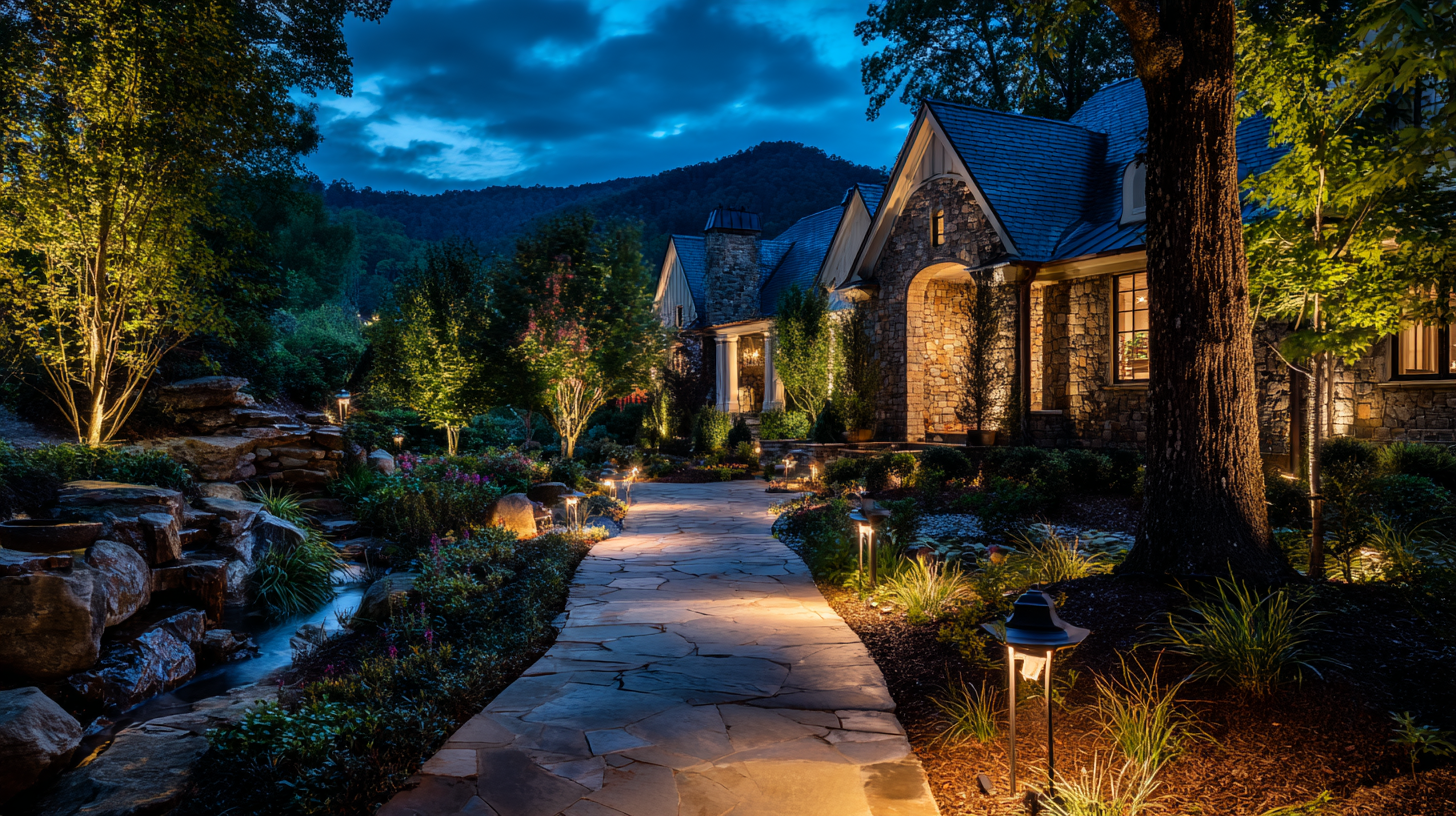
Key Takeaways
Solar landscape lighting offers energy savings and easy installation, but comes with performance limitations that every homeowner should understand before making the investment.
- Solar lights eliminate electrical costs and complicated wiring installations
- Battery life and weather conditions significantly impact lighting performance
- Initial costs vary widely based on quality and desired brightness levels
- Professional planning ensures optimal placement for maximum solar exposure
- Hybrid systems combine solar benefits with traditional lighting reliability
Understanding Solar Landscape Lighting Options
Solar landscape lighting has gained popularity among homeowners looking for eco-friendly outdoor illumination solutions. These systems capture sunlight during the day through photovoltaic panels and store energy in rechargeable batteries to power LED lights after dark. The technology has advanced significantly over the past decade, offering brighter output and longer battery life than earlier models.
Modern solar lighting systems range from simple pathway markers to sophisticated accent lights that can illuminate large trees or architectural features. The variety includes solar spotlights, string lights, post lights, and even decorative lanterns. Each type serves different purposes in creating a comprehensive outdoor lighting design that enhances both safety and curb appeal. Pairing solar lights with other spring preparation improvements can dramatically transform your property’s appearance, especially when combined with professional garden bed installation.

Major Advantages of Solar Lighting Systems
Solar landscape lighting delivers several compelling benefits that make it attractive for many property owners. The most obvious advantage is eliminating ongoing electricity costs, as these lights draw power exclusively from the sun. Installation becomes remarkably simple since no electrical wiring is required, allowing homeowners to place lights wherever sunlight reaches during the day.
Environmental benefits extend beyond reduced energy consumption. Solar lights produce zero emissions during operation and help reduce demand on the electrical grid. Many models feature LED bulbs that last 25,000 hours or more, reducing waste from frequent bulb replacements. The flexibility to relocate lights seasonally or as landscape design evolves adds another layer of convenience that traditional wired systems cannot match.
Cost Savings and Installation Benefits
Outdoor lighting typically accounts for 15-20% of a home’s total electrical usage. Solar systems eliminate this expense entirely while requiring no trenching, conduit installation, or electrical permits. Professional installation costs drop significantly when complex wiring is removed from the equation, making solar an attractive option for budget-conscious homeowners. This contrasts sharply with the overall landscaping investment required for comprehensive property improvements. For more information on energy-efficient outdoor solutions, visit the U.S. Department of Energy outdoor lighting guide.
Significant Limitations to Consider
Solar landscape lighting faces several performance challenges that can impact reliability and effectiveness. Battery capacity limits operating time, typically providing 6-8 hours of illumination on a full charge. Cloudy weather, shorter winter days, and shading from trees or buildings reduce charging efficiency, leading to dimmer output or shorter operating periods.
Temperature extremes affect battery performance, with cold weather reducing capacity by up to 50% in some cases. Lithium-ion batteries perform better in temperature variations than older nickel-cadmium models, but all battery types experience some degradation over time. Learn more about lithium-ion battery technology and its applications. Most solar light batteries require replacement every 2-3 years, adding ongoing maintenance costs that seasonal landscaping maintenance schedules should account for.
Weather and Seasonal Performance Issues
Solar landscape lighting works best in areas with consistent sunlight exposure and minimal tree canopy. Homeowners in regions with frequent overcast conditions or heavy tree coverage should carefully evaluate placement options before investing in solar systems. Winter performance becomes particularly challenging when snow covers solar panels or shorter daylight hours limit charging time. This is especially important for Asheville properties where native plants and seasonal variations significantly impact outdoor lighting effectiveness.
Making the Right Choice for Your Property
The decision between solar and traditional landscape lighting depends on specific site conditions and lighting goals. Solar works exceptionally well for accent lighting, pathway illumination, and decorative features where bright, consistent output is less critical. Properties with abundant sunlight exposure and strategic placement opportunities can achieve excellent results with quality solar systems that complement features like professionally installed garden beds.
For security lighting, entertaining areas, or locations requiring reliable high-intensity illumination, traditional wired systems often prove more dependable. Many homeowners find success with hybrid approaches, using solar for decorative elements while relying on electrical systems for primary security and task lighting needs. Understanding your property’s specific characteristics, much like choosing the right grass type, ensures optimal results. For health and safety information related to outdoor spaces, consult the CDC guidelines on environmental health.
Quality Considerations and Investment Planning
The biggest mistake homeowners make is choosing solar lights based solely on price. Quality solar lights with proper battery capacity and durable construction provide much better long-term value than bargain models that fail within the first year. Premium solar systems cost $50-200 per fixture, while basic models start around $15-30 each.
Professional landscape planning for your space becomes essential for optimizing solar light placement. Our family has worked on properties throughout this region for over 50 years, and we’ve learned that proper site evaluation prevents common solar lighting disappointments. Factors like mature tree growth, seasonal sun patterns, and existing structures all influence solar charging effectiveness. Understanding lawn maintenance requirements alongside lighting installation ensures your property receives comprehensive care. Proper mulching techniques can also help manage landscaping sustainably. For additional information on renewable energy systems and sustainability, visit the EPA solar power resources.