Perennial vs Annual Plants: Garden Planning for Asheville
Key Takeaways
Smart garden planning in Asheville requires balancing perennials for long-term structure with annuals for seasonal color, considering our mountain climate’s unique growing conditions and elevation changes.
- Perennials provide lasting structure and return each year, making them cost-effective investments for Asheville gardens
- Annuals offer vibrant seasonal color and flexibility to change your garden’s look annually
- Combining both types creates dynamic gardens that perform well in our humid subtropical mountain climate
- Timing plantings around Asheville’s last frost date and elevation ensures successful establishment
- Proper soil preparation and native plant integration support both perennial and annual success
Understanding Asheville’s Garden Planning Fundamentals
Asheville’s residential properties span dramatically different terrain types, and each one calls for a distinct garden planning approach rooted in local knowledge. Mountain lots require specialized plant selections that can handle elevation changes, varying moisture levels, and our region’s specific frost patterns. After five decades of working in these conditions, we understand that successful perennial vs annual garden planning starts with respecting what our landscape naturally supports.
Your garden’s elevation determines much about plant selection and timing. Properties at higher elevations experience later spring warming and earlier fall frosts, affecting both perennial emergence and annual planting windows. Lower elevation gardens near the French Broad River enjoy longer growing seasons but face different moisture challenges. Preparing your garden for seasonal changes means accounting for these variations, since your neighbor’s garden timeline might not work for your property, even if you live just a few miles apart.
Perennial Plants: Your Garden’s Permanent Foundation
Perennials form the backbone of sustainable Asheville gardens because they return year after year, developing stronger root systems and better drought tolerance over time. Native perennials like Purple Coneflower, Black-eyed Susan, and Wild Bergamot thrive in our climate while supporting local wildlife. These investments pay dividends as they mature, requiring less water and maintenance while providing consistent structure to your landscape design. Learn more about perennial plants and their characteristics to understand why they’re such valuable garden investments.
Establishing perennials requires patience but delivers lasting results. Spring plantings benefit from our natural rainfall patterns, allowing roots to develop before summer heat arrives. Fall plantings work well for many species, giving them time to establish before winter dormancy. The key lies in choosing varieties suited to your specific microclimate and soil conditions rather than following generic planting guides.
Annual Plants: Seasonal Color and Flexibility
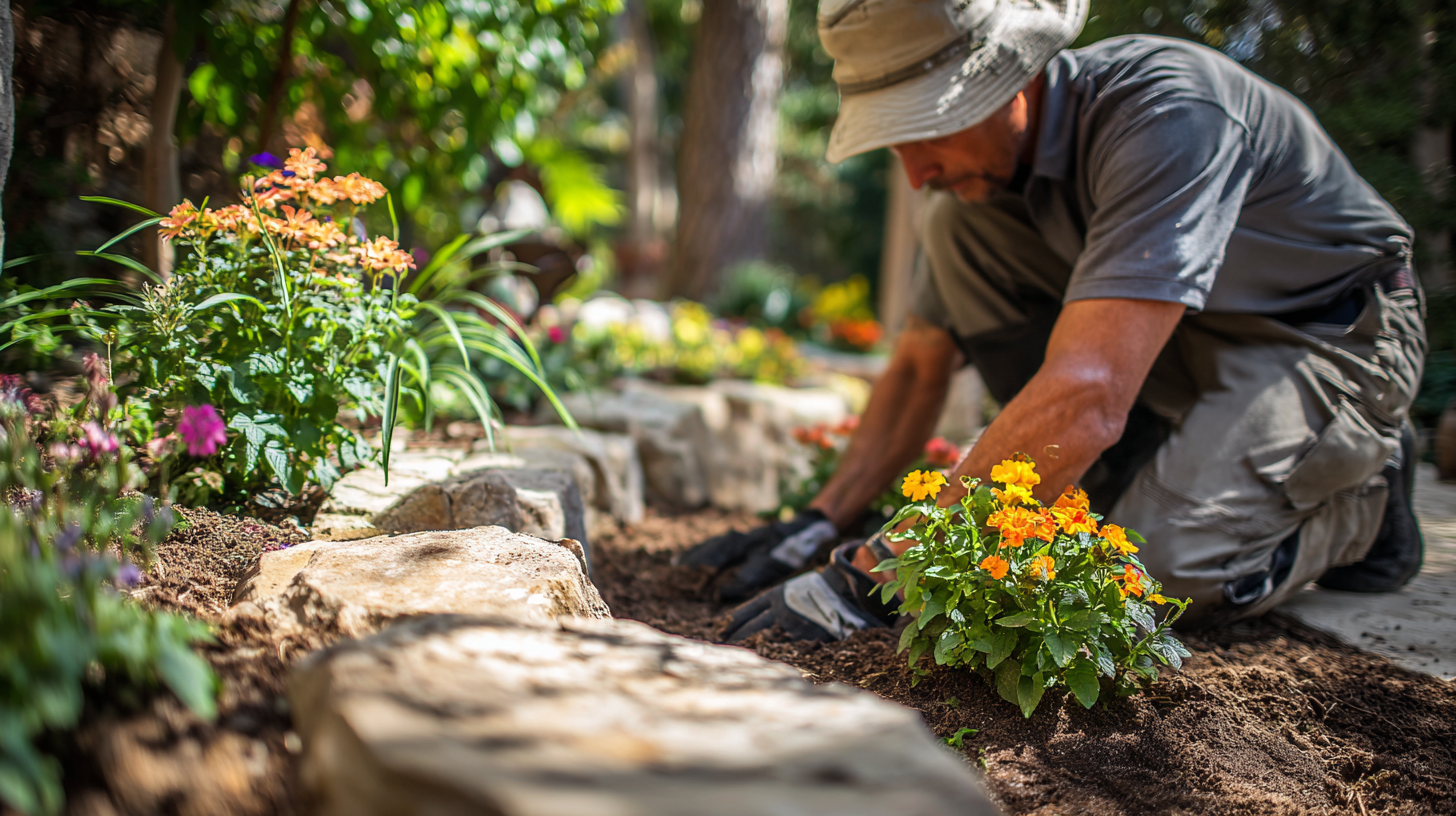
Annuals complete their entire life cycle in one growing season, offering unmatched flexibility to experiment with colors, textures, and garden themes each year. Marigolds, Zinnias, and Impatiens provide continuous blooms from spring through first frost, filling gaps between perennials and adding punch to established plantings. This flexibility allows you to adapt your garden’s personality annually without committing to permanent changes. Fall cleanup routines help prepare beds for next season’s annual plantings.
Strategic annual placement maximizes their impact while minimizing maintenance. Clustering annuals in dedicated beds or containers makes seasonal changeovers easier and more dramatic. Many gardeners use annuals to trial new color combinations before investing in perennial plantings. This approach works particularly well in Asheville’s variable microclimates, where testing plants for a season reveals how they perform in your specific conditions.
Timing Annual Plantings in Mountain Climate
Asheville’s last frost typically occurs in mid to late April, but elevation affects this timing significantly. Warm-season annuals like tomatoes, peppers, and heat-loving flowers should wait until soil temperatures consistently reach 60 degrees. Cool-season annuals such as pansies, snapdragons, and lettuce can be planted several weeks earlier and often survive light frosts with protection. Understanding seasonal maintenance schedules helps you coordinate garden activities across your entire landscape. The Old Farmer’s Almanac frost date resource can help you pinpoint your exact last frost date based on your zip code.
Creating Balanced Garden Combinations
The most successful Asheville gardens combine perennials and annuals strategically, using each type’s strengths to create year-round interest. Perennials provide the structural foundation, defining garden borders and creating consistent focal points. Annuals fill seasonal gaps, extend bloom periods, and allow for creative expression without long-term commitment.
Layering creates depth and continuous interest throughout growing seasons. Plant tall perennials like Joe Pye Weed or native grasses as background anchors. Mid-height perennials such as Bee Balm or Sedum occupy the middle ground, while low-growing perennials edge beds. Annuals weave through this framework, providing color bridges between perennial bloom periods and seasonal highlights. Professional garden bed installation ensures proper spacing and layering from the start.
Consider bloom timing when planning combinations. Early spring perennials like Bloodroot and Wild Ginger emerge before most annuals are planted. Summer perennials carry the garden through peak growing season, while late-season bloomers like Asters extend color into fall. Strategic annual placement ensures no gaps appear in your garden’s seasonal progression. A thorough landscape site analysis checklist can help you map out sun exposure and soil conditions before committing to any planting plan.
Frequently Asked Questions
Which type of plant offers better value for Asheville gardens?
Perennials provide better long-term value as they return each year and develop stronger, more drought-tolerant root systems over time. However, annuals offer immediate impact and seasonal flexibility that many homeowners enjoy for experimenting with garden designs.
When should I plant perennials in the Asheville area?
Spring and fall are ideal planting times for perennials in Asheville. Spring plantings benefit from natural rainfall patterns, while fall plantings allow root establishment before winter. Avoid planting during summer heat stress periods when possible and follow proper fertilizer application methods for healthy establishment.
Can I grow both perennials and annuals together successfully?
Yes, combining perennials and annuals creates the most dynamic and interesting gardens. Use perennials for structure and consistency, then add annuals for seasonal color and experimentation. This approach works particularly well in our mountain climate. The NC State Extension plants and gardens program offers region-specific guidance on combining plant types for maximum success.
How do I prepare soil for both plant types?
Both perennials and annuals benefit from well-draining soil enriched with organic matter. However, perennials require deeper soil preparation since they’ll remain in place for years. Amend clay soils common in Asheville with compost to improve drainage and root penetration, and consider using proper mulching techniques to maintain soil health. Correcting your soil’s pH with lime application for pH correction is also essential before introducing new plantings.
Which plants work best at higher elevations around Asheville?
Higher elevation properties should focus on cold-hardy perennials and shorter-season annuals. Native mountain plants like Wild Columbine and Foam Flower excel at elevation, while cool-season annuals perform better than heat-loving varieties in mountain microclimates.
How often should I replace annual plantings?
Most annuals require replacement twice yearly in Asheville. Cool-season annuals planted in fall provide winter and early spring color, while warm-season varieties planted after last frost carry through summer and early fall.
Do native plants perform better as perennials in our area?
Native perennials typically establish faster and require less maintenance than non-native varieties because they’re adapted to local soil and climate conditions. Plants like Purple Coneflower and Wild Bergamot thrive with minimal intervention once established. The National Wildlife Federation’s Native Plant Finder is a useful tool for identifying regionally appropriate perennials for your zip code.
Build Your Dream Garden with Professional Guidance
Creating the perfect balance of perennials and annuals requires understanding your property’s unique conditions and your personal garden goals. Our family has spent over 50 years learning how different plants perform across Asheville’s varied terrain and microclimates. We listen carefully to your vision and recommend combinations that will thrive in your specific location while providing the seasonal interest you desire. Every garden project is personal to us, and we’re committed to helping you create outdoor spaces that bring joy year after year. Contact us today to learn about our garden design process