Lime Application: Correcting Lawn pH in Asheville

Key Takeaways
Proper lime application corrects acidic soil conditions common in Asheville’s mountain terrain, creating healthier grass that resists disease and absorbs nutrients effectively.
- Asheville’s naturally acidic soil typically requires lime application every 2-3 years for optimal lawn health
- Soil testing reveals exact pH levels and determines appropriate lime application rates for your property
- Pelletized lime works faster than traditional agricultural lime in our humid subtropical climate
- Fall application allows lime to work through winter months before spring growing season
- Professional application ensures even coverage and prevents over-liming damage to grass roots
Understanding Asheville’s Acidic Soil Challenge
Asheville’s mountain terrain naturally produces acidic soil conditions that can severely limit your lawn’s ability to thrive. Our region’s abundant rainfall, decomposing organic matter from mountain forests, and granite-based soil composition create pH levels that often fall between 4.5 and 6.0. Healthy grass requires a pH range of 6.0 to 7.0 for optimal nutrient absorption. When soil becomes too acidic, grass struggles to access essential nutrients like nitrogen, phosphorus, and potassium, even when fertilizers are applied correctly. This creates weak, thin turf that invites weeds and disease problems throughout the growing season. For more information on soil pH and plant nutrition, consult the National Institutes of Health.
Professional Soil Testing Reveals Hidden Problems
Accurate soil testing forms the foundation of effective lime application for pH correction. Visual symptoms like yellowing grass, excessive moss growth, or persistent weed problems often indicate acidic conditions, but professional testing provides exact pH measurements and buffer capacity readings. Our testing process examines multiple areas across your property since pH levels can vary significantly within the same lawn. Mountain properties particularly show dramatic pH variations due to elevation changes, drainage patterns, and varying soil compositions. Testing also reveals aluminum and manganese levels, which become toxic to grass roots in acidic conditions. With precise data, we calculate exact lime requirements rather than applying generic amounts that may under-correct or damage your lawn through over-application. Learn more about soil chemistry and testing from soil pH resources.
Choosing the Right Lime Type for Mountain Properties
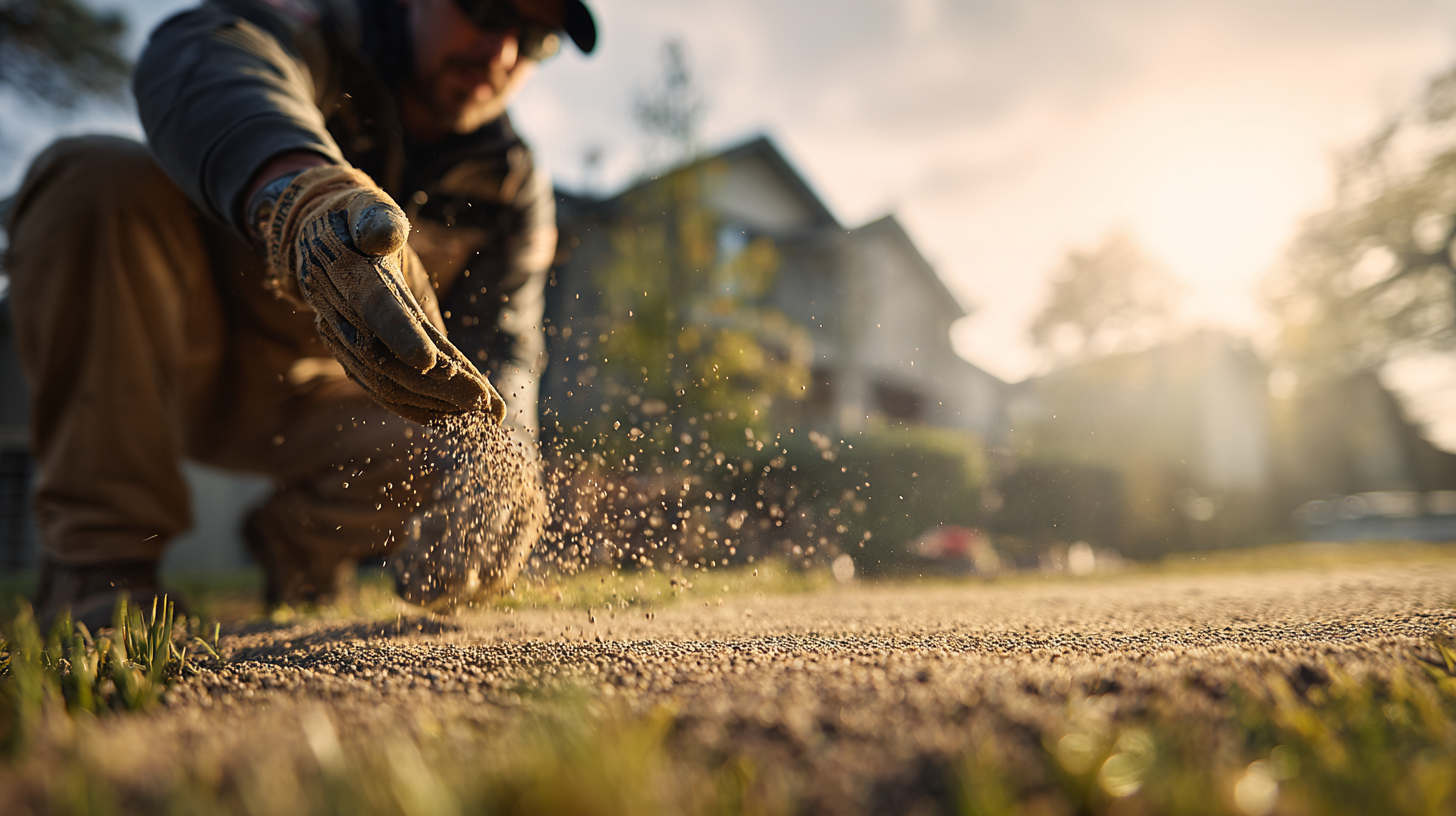
Different lime products work at varying speeds and effectiveness levels in Asheville’s climate conditions. Pelletized limestone dissolves faster than agricultural lime, making it ideal for our humid environment where moisture activates the pH correction process. Granular lime spreads more evenly than powdered forms, reducing the risk of burning grass or creating uneven pH zones across your lawn. Calcitic lime works well for most Asheville properties, while dolomitic lime provides additional magnesium benefits for soils showing deficiencies. The particle size affects reaction speed, with finer particles working faster but requiring more careful application to prevent wind drift. Our experience with local soil conditions guides product selection based on your property’s specific terrain, existing vegetation, and drainage characteristics that influence lime movement through the soil profile. Additional guidance on lime applications can be found through environmental protection resources.
Proper Application Timing and Techniques
Fall application provides optimal results for lime pH correction in Asheville’s seasonal climate patterns. Applying lime between September and November allows winter moisture to activate the limestone, gradually raising soil pH before spring growth begins. This timing prevents shocking grass during active growing periods while ensuring maximum effectiveness when warm weather returns. Spring applications work but provide slower results since lime requires several months to significantly alter soil chemistry. Professional application equipment ensures even distribution across your entire lawn area, preventing streaking or concentrated spots that can damage grass. We apply lime to slightly moist soil for better adherence and avoid windy conditions that scatter product unevenly. Proper calibration of spreader settings based on your specific lime product and application rate prevents costly mistakes that require corrective treatments. OSHA provides guidance on safe handling practices at occupational safety standards.
Long-term Benefits and Maintenance Schedule
Successful lime application creates lasting improvements in grass health, density, and disease resistance across your Asheville property. Corrected pH levels allow fertilizers to work more effectively, reducing the need for excessive applications while improving results. Healthier grass crowds out weeds naturally, reducing herbicide requirements and creating the thick, lush lawn that enhances your property value. Most Asheville lawns require lime reapplication every 2-3 years as natural processes gradually lower pH levels again. Regular soil testing confirms when retreatment becomes necessary rather than following arbitrary schedules. Properties with good drainage and established grass may extend intervals to 3-4 years, while areas with heavy clay or poor drainage require more frequent applications. Combining lime application with proper mowing practices and seasonal care creates comprehensive lawn health that withstands mountain weather extremes.
Frequently Asked Questions
How long does lime take to change soil pH in Asheville?
Lime typically requires 3-6 months to significantly alter soil pH in our climate. Pelletized lime works faster than agricultural lime, with noticeable improvements often visible by spring when applied in fall.
Can I apply lime and fertilizer at the same time?
Avoid applying lime with fertilizers containing ammonium or urea, as this combination can release ammonia gas that burns grass. Wait 2-4 weeks between lime and fertilizer applications for best results.
How much lime does my Asheville lawn typically need?
Application rates vary from 40-80 pounds per 1,000 square feet based on current pH and soil type. Professional soil testing determines exact requirements rather than using generic recommendations.
Will lime application harm my existing plants and trees?
Properly applied lime benefits most lawn grasses without harming established trees and shrubs. However, acid-loving plants like azaleas and blueberries may require protection or separate treatment areas with specialized native plant considerations.
Should I water my lawn after lime application?
Light watering helps activate lime but avoid heavy irrigation that washes product away. Natural rainfall usually provides adequate moisture for lime to begin working effectively.
Can over-liming damage my grass?
Excessive lime application creates alkaline conditions that prevent iron and manganese absorption, causing yellowing and weak growth. Professional application prevents over-liming through accurate soil testing and calibrated equipment, which can help prevent issues that lead to bare spots requiring repair.
Does lime help with moss problems in shaded areas?
Lime addresses acidic conditions that encourage moss growth, but shade and poor drainage also contribute to moss problems. Comprehensive solutions may require drainage improvements and selective grass varieties, potentially including the right grass type for your conditions.
When should I avoid lime application on my lawn?
Skip lime application during drought conditions, extremely hot weather, or when grass shows stress from disease or insect damage. Healthy, actively growing grass responds best to pH correction treatments, especially after addressing issues like fungal diseases.
Transform Your Lawn with Professional pH Correction
Proper lime application requires understanding Asheville’s unique soil conditions, precise testing methods, and expert application techniques that our family has refined over five decades serving mountain properties. We combine soil science knowledge with local experience to create healthier lawns that thrive in our challenging climate conditions. Professional pH correction addresses the root causes of lawn problems rather than treating symptoms, providing lasting improvements that enhance your property’s beauty and value. Our systematic approach ensures optimal results while protecting your investment in quality grass and landscaping, often integrated with proper mulching techniques for comprehensive lawn care. For additional resources on lawn health and environmental practices, visit public health information. Contact us today to schedule comprehensive soil testing and create a customized lime application plan that transforms your lawn into the lush, healthy landscape your Asheville property deserves.