
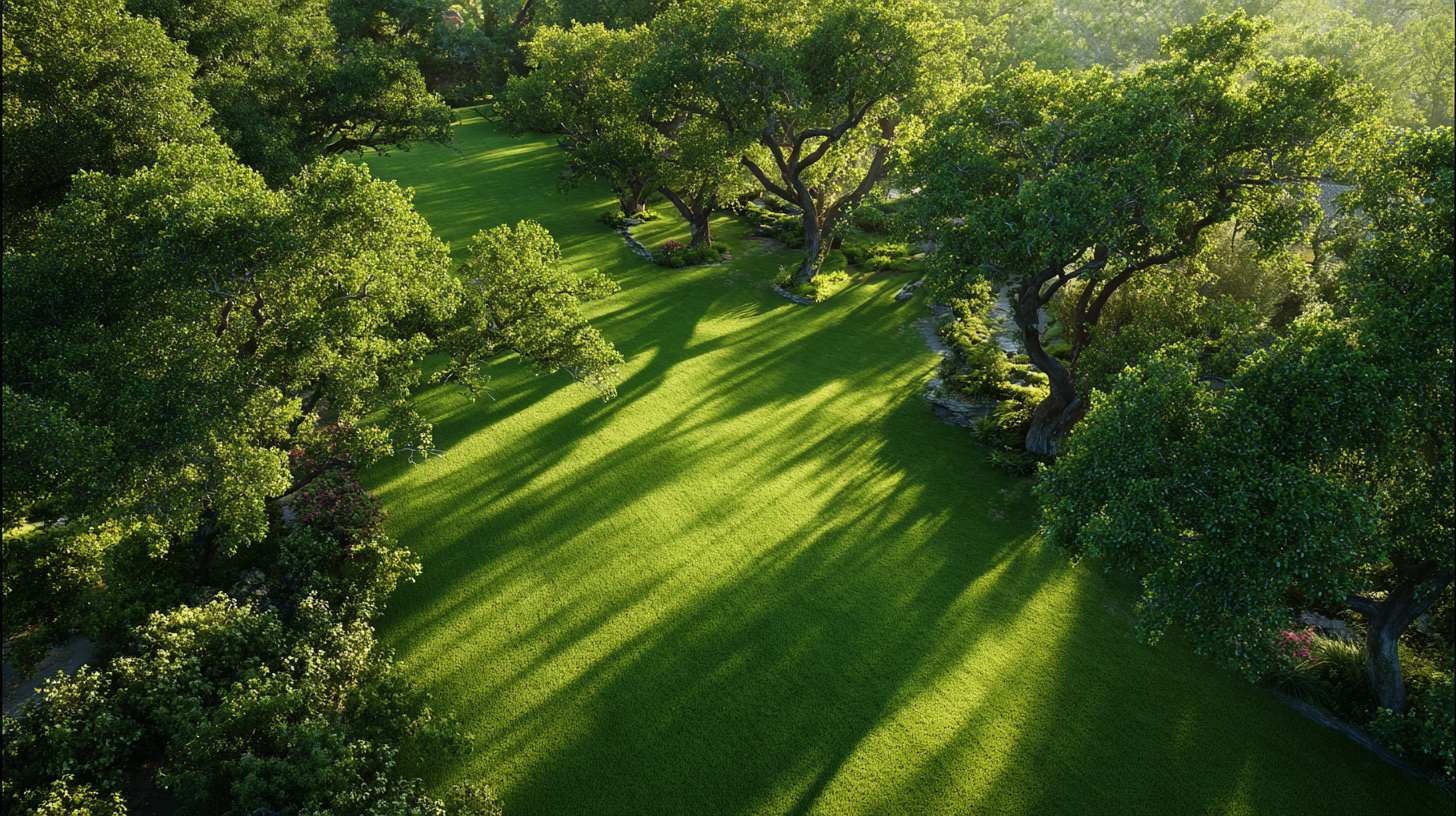
Grasscycling Benefits Lawn Health in Asheville’s Mountain Climate
Grasscycling benefits lawn health by returning nutrient-rich clippings directly to your soil instead of sending them to the landfill. For Asheville, NC homeowners and properties throughout Biltmore Forest, this simple shift in mowing practice works with the region’s natural humidity and mountain soils to feed your grass, reduce yard waste, and build lasting soil fertility. Hutch N Son Landscaping has spent more than 50 years watching this practice transform mountain lawns, and we can help you put it to work on your property.
Key Takeaways
Grasscycling transforms lawn maintenance into natural fertilization by leaving clippings on your Asheville property to decompose, reducing waste while feeding your grass with essential nutrients year-round.
- Grass clippings provide up to 25% of your lawn’s annual nitrogen needs when left to decompose naturally
- Mountain climate properties benefit most from grasscycling during spring and fall growing seasons
- Proper mowing height and frequency prevent thatch buildup while maximizing nutrient cycling
- Asheville’s humid conditions accelerate clipping decomposition compared to drier climates
- Grasscycling reduces yard waste by up to 30% annually while cutting fertilizer costs
Why Grasscycling Benefits Lawn Health in a Mountain Climate
Asheville’s mountain terrain and humid subtropical climate create conditions where grasscycling benefits lawn health more visibly than in drier, flatter regions. Elevation, seasonal temperature swings, and consistent moisture all influence how quickly organic matter breaks down, and in Western North Carolina those factors work in your favor. Our family has watched over five decades how properly managed grass clippings feed mountain lawns more effectively than synthetic fertilizers alone.
Mountain properties face unique challenges: steep grades, varying soil types, and dramatic seasonal changes all affect grass growth patterns. Asheville’s natural moisture levels accelerate the breakdown of organic matter so that clippings decompose within days rather than weeks. As they break down, they release nitrogen, phosphorus, and potassium directly into the root zone where your grass needs it most. The result is a lawn that feeds itself with each mowing rather than depending entirely on bagged inputs.
“Grasscycling is one of the most underutilized lawn care practices I see in the Asheville area,” says Dr. Sarah Mitchell, turfgrass specialist at NC State University. “The practice works particularly well in our climate because consistent humidity speeds decomposition while reducing the need for supplemental watering.”
How Nutrient Cycling Feeds Your Lawn Naturally
Grass clippings contain approximately 4% nitrogen, 0.5% phosphorus, and 2% potassium by weight, making them a complete slow-release fertilizer when managed properly. These nutrients become available to your lawn gradually as soil microorganisms break down the organic matter, creating a steady feeding cycle that synthetic fertilizers cannot replicate.
The decomposition process feeds beneficial soil bacteria and fungi that improve soil structure over time. These microorganisms increase soil porosity and water retention capacity, giving your grass a healthier root environment. Your lawn develops stronger, deeper roots when fed through natural nutrient cycling rather than quick synthetic inputs that can burn grass or create long-term dependency.
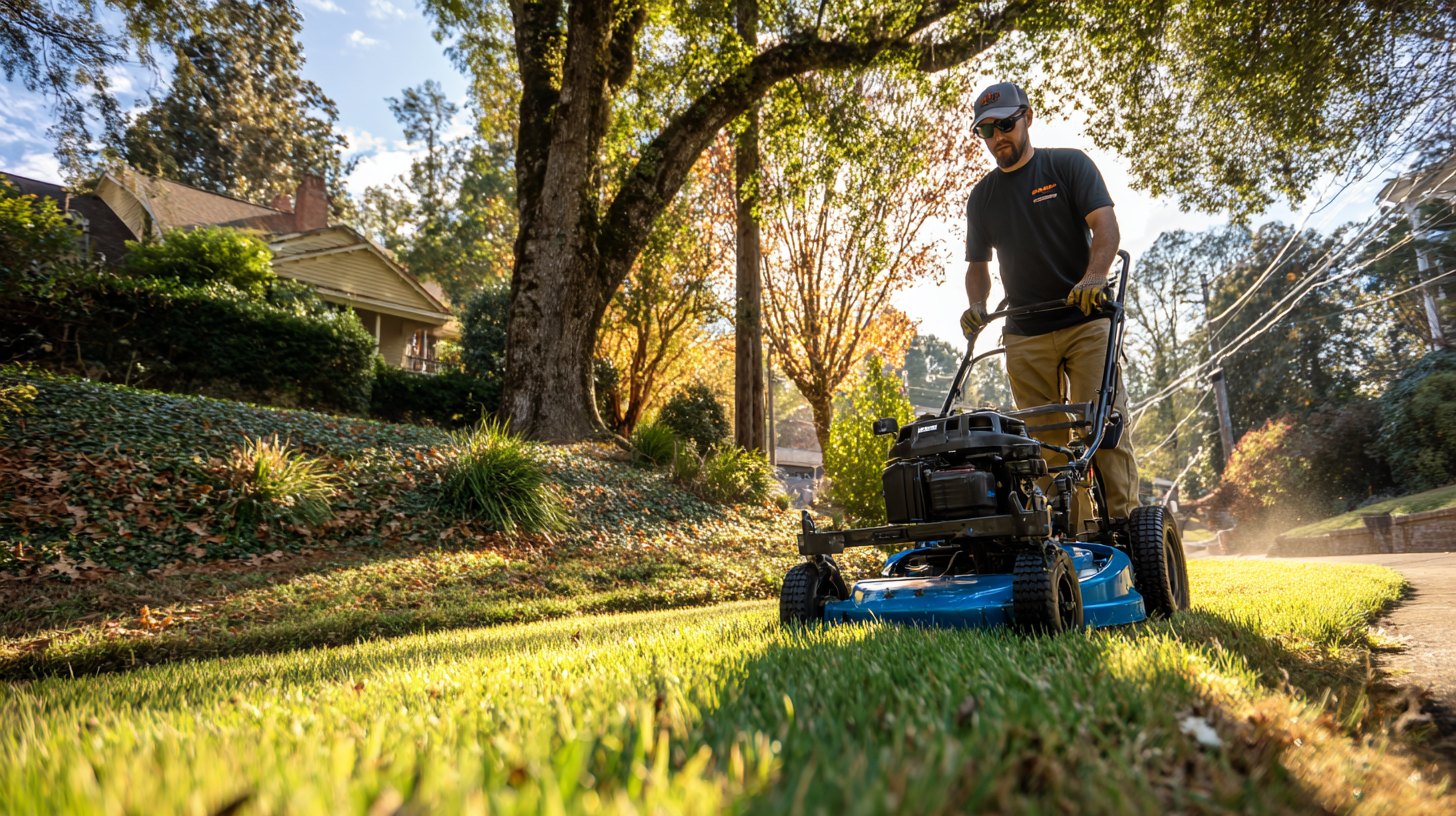
Timing matters significantly for successful grasscycling in mountain climates. Regular mowing schedules prevent clippings from becoming too long and creating mat formation. We recommend never removing more than one-third of the grass blade length in a single cutting, which keeps clippings short enough to settle between grass stems rather than sitting on top and blocking light.
“The biggest mistake homeowners make with grasscycling is cutting too much grass at once,” explains John Roberts, certified turfgrass manager with 20 years of experience in Western North Carolina. “Long clippings create thatch problems, but properly sized clippings disappear into the lawn canopy within 48 hours.” Following that one-third rule is the single most reliable way to keep grasscycling working in your favor across all four of Asheville’s distinct seasons.
Soil Health Improvements From Grasscycling
Consistent grasscycling builds organic matter in your soil over multiple growing seasons, improving both structure and long-term fertility. Each mowing session adds small amounts of organic material that decompose into humus, the stable form of organic matter that holds nutrients and moisture in mountain soils. This gradual accumulation pays compounding dividends year after year.
Mountain properties in and around Biltmore Forest and Asheville often struggle with clay-heavy or rocky soils that drain poorly or lack organic content. Consistent grasscycling addresses both problems by adding organic matter that opens clay soils and supplies nutrients in rocky areas where soil depth is limited. The practice works especially well on slopes where water runoff can strip nutrients from the root zone, though properties with severe drainage issues may need additional solutions before grasscycling alone can be fully effective.
Soil temperature regulation also improves when grass clippings form a thin mulch layer during decomposition. This natural insulation protects grass roots from the temperature extremes common in mountain climates, where morning frost can appear even in late spring or early fall. Your lawn maintains more consistent growth when soil temperatures stay moderate through those unpredictable shoulder seasons.
The increased organic matter from grasscycling also supports earthworm populations that naturally aerate compacted mountain soils. These organisms create channels that improve water infiltration and root penetration, reducing the need for mechanical aeration on many properties. For detailed information on soil composition and organic matter, consult EPA resources on environmental practices.
Water Conservation and Drought Resistance Through Grasscycling
Grasscycling benefits lawn health during dry periods by improving your soil’s ability to hold moisture between rain events and irrigation cycles. Decomposing grass clippings help soil retain water longer, reducing irrigation needs and supporting grass through the summer stress periods that Asheville properties experience each year.
The organic matter from clippings increases soil water-holding capacity by creating space between soil particles where moisture can collect. Mountain soils that naturally drain quickly benefit most from this improvement, as the added organic content slows water movement through the root zone and keeps it available to grass roots longer. Over time, a grasscycled lawn requires noticeably less supplemental watering than one where all clippings are bagged and removed.
Grass clippings also provide a light mulching effect during decomposition, shading soil surfaces and reducing evaporation rates. This natural moisture conservation becomes particularly valuable during Asheville’s occasional drought periods when water restrictions may limit irrigation options. Every mowing session that returns clippings to the lawn is a small investment in the turf’s ability to handle the next dry stretch.
“Properties that practice grasscycling consistently show better drought tolerance than lawns that bag all their clippings,” notes Dr. Michelle Carter, soil scientist specializing in mountain agriculture. “The cumulative effect of organic matter buildup creates more resilient turf over time.” That resilience is exactly what Asheville’s variable climate demands, and grasscycling is one of the most practical ways to build it.
Seasonal Grasscycling Strategy for Asheville Properties
Asheville’s four distinct seasons each create different conditions for grasscycling, and matching your mowing habits to those conditions is what separates a lawn that struggles from one that thrives. Spring and fall are the peak growing seasons for cool-season grasses common in the region, and those are the periods when grasscycling delivers the most visible nutrient returns. Clippings break down rapidly in the warm, moist soil of an Asheville spring and release a steady supply of nitrogen right when grass growth is most active.
Summer mowing requires attention to frequency. Heat slows cool-season grass growth, so mowing intervals naturally extend, but keeping to the one-third rule remains critical. Clippings left during summer also shade the soil surface, moderating ground temperatures during the hottest weeks of the year. Fall is the second major feeding window: returning clippings through autumn supports root development and carbohydrate storage that carries grass through winter dormancy.
Winter mowing is infrequent on most Asheville properties, but the organic matter built up through the rest of the year continues working underground, feeding soil biology and improving structure for the following spring. A consistent mowing schedule calibrated to each season is the foundation of effective grasscycling on mountain properties. Different grass varieties also respond uniquely to grasscycling, and understanding your lawn type helps determine the ideal mowing height and timing for each season.
Grasscycling as Part of a Complete Lawn Care Program
Grasscycling benefits lawn health most effectively when it is integrated into a broader maintenance program designed for Asheville’s mountain conditions rather than practiced in isolation. Clippings supply significant nutrition, but properties with poor baseline soils may still need targeted inputs. Soil testing helps determine whether additional nutrients are needed beyond what clippings provide, and it removes the guesswork from fertilizer decisions.
Managing lawn disease is also part of the picture. Avoid grasscycling when fungal diseases like brown patch are active, as clippings can spread pathogens across your lawn. Resume the practice once disease pressure subsides and conditions stabilize through proper cultural management. This is where professional site knowledge built over decades makes a real difference: understanding when to grasscycle and when to bag is not a one-size-fits-all decision on mountain properties with varying microclimates, slopes, and soil profiles.
Our family has refined these approaches across thousands of Asheville and Biltmore Forest properties over 50-plus years, building programs that respect each property’s individual character while applying proven fundamentals. For safe equipment handling and landscaping practices, the OSHA resources on safe landscaping practices provide useful reference guidance. Every property we work with receives a tailored approach that considers slope, soil type, grass variety, and seasonal growth patterns through careful site analysis.
Frequently Asked Questions
Will grass clippings create thatch problems in mountain climates?
Properly managed grasscycling does not cause thatch buildup in Asheville’s humid climate. Thatch forms primarily from stems, roots, and other slow-decomposing plant material, not from grass blades. Our region’s consistent moisture promotes rapid decomposition of clippings when they are cut to appropriate lengths. As long as you follow the one-third mowing rule and maintain a regular schedule, clippings filter down into the lawn canopy and break down before they accumulate into a problematic layer. If thatch does develop over time, it is typically a sign that clippings were too long or mowing was too infrequent rather than a result of grasscycling itself.
How often should I mow to maximize grasscycling benefits?
Mow frequently enough to remove no more than one-third of the grass height at each session, which typically means every five to seven days during peak growing seasons in spring and fall. During summer, when cool-season grasses slow down, you may be able to extend intervals slightly while still staying within that one-third guideline. Keeping clippings short is the key variable: short clippings settle into the lawn canopy and decompose within 48 hours, while long clippings mat together, block sunlight, and create the thatch and disease conditions that discourage people from grasscycling in the first place.
Can I grasscycle if my lawn has active disease problems?
Avoid grasscycling when fungal diseases like brown patch are active on your lawn. Mower blades and clippings can carry fungal spores from infected areas to healthy turf, spreading the problem faster than it would travel on its own. During a disease outbreak, bag your clippings and dispose of them away from the lawn. Once disease pressure subsides through appropriate cultural management and, where needed, targeted treatment, you can resume grasscycling safely. Asheville’s humidity creates favorable conditions for certain fungal diseases in summer, so monitoring your lawn during warm, wet stretches is good practice regardless of your clipping management approach.
Do I need special equipment for effective grasscycling?
Most modern mowers work well for grasscycling without any modifications. Mulching mowers are particularly effective because they chop clippings into smaller pieces that filter down into the lawn canopy more easily and decompose faster, but a standard rotary mower used with sharp blades and the one-third rule will deliver solid results. Sharp blades are the most important equipment factor regardless of mower type. Clean cuts heal faster than ragged tears, which matters both for the grass plant’s health and for how quickly the severed clipping begins to break down. Dull blades that shred rather than cut leave visible brown tips and slow decomposition.
Will grasscycling work on the steep slopes common in Asheville properties?
Grasscycling works well on slopes and offers specific advantages for hillside properties. Returned clippings help stabilize the soil surface as they decompose, reducing the erosion risk that steep Asheville terrain creates during heavy rainfall events. Slopes also tend to lose nutrients through runoff faster than flat ground, so the in-place nutrient release from grasscycling is especially valuable on hillsides where topsoil is shallow. The main practical consideration on steep slopes is mower safety and consistent coverage, both of which are easier to manage when mowing is scheduled regularly before grass becomes too tall.
How long before grasscycling produces noticeable soil improvements?
Soil organic matter builds gradually, and most Asheville homeowners notice meaningful improvements in soil structure and water retention after one full growing season of consistent grasscycling. The initial benefits are visible sooner: clippings begin returning nutrients to the soil with the first mowing, and grass color often improves within a few weeks of starting the practice. Long-term gains in soil biology, earthworm activity, drought resistance, and reduced fertilizer dependency become more pronounced after two to three seasons of continuous practice. Think of grasscycling as a compounding investment in your soil rather than a quick fix.
Should I supplement with fertilizer when grasscycling regularly?
Grasscycling provides significant nutrition but may not meet all lawn needs, particularly on properties with poor baseline soils or heavy use areas. Clippings can supply up to 25% of your lawn’s annual nitrogen requirements, which meaningfully reduces fertilizer needs but does not eliminate them on most properties. Soil testing helps determine exactly which nutrients are needed beyond what clippings provide, preventing both deficiency and over-application. In Asheville’s mountain soils, pH is also worth monitoring: acidic conditions common in the region can limit nutrient availability regardless of how much organic matter is present.
Ready to Put Grasscycling to Work on Your Asheville Property?
Grasscycling benefits lawn health in ways that compound over years, building lush, resilient turf that feeds itself rather than depending entirely on inputs you have to buy and apply. For Asheville and Biltmore Forest homeowners who want a lawn that performs season after season, it is one of the most practical and cost-effective practices available. Our family has spent more than 50 years learning exactly how to make it work across every slope, soil type, and grass variety our mountain region produces, and we bring that knowledge to every property we care for. We listen carefully to your ideas and build programs around what your specific lawn actually needs. Contact us today to schedule a consultation and find out how we can help you build a healthier, more beautiful lawn.