Poor Drainage Solutions: Yard Problems Fixed in Asheville NC
Key Takeaways
Poor yard drainage destroys lawns, floods basements, and creates muddy messes that make outdoor spaces unusable during Asheville’s frequent rain events.
- French drains and catch basins redirect water away from problem areas effectively
- Proper grading and soil amendments prevent standing water formation
- Native plants and rain gardens turn drainage issues into beautiful landscape features
- Professional assessment identifies root causes beyond surface symptoms
- Year-round maintenance keeps drainage systems functioning properly
Understanding Asheville’s Unique Drainage Challenges
Asheville’s mountain terrain creates complex drainage patterns that catch many homeowners off guard. Our clay-heavy soils, combined with steep slopes and intense seasonal rainfall, produce standing water problems that generic solutions simply cannot address. Properties in areas like Biltmore Forest face particularly challenging conditions where elevation changes and mature tree root systems complicate water flow patterns.
Poor drainage solutions for your yard must account for Asheville’s specific geological conditions. The region’s red clay soil becomes nearly impermeable when saturated, forcing water to pool on the surface rather than absorbing naturally. Spring thunderstorms and winter freeze-thaw cycles make these problems worse, creating erosion channels that direct even more water toward your foundation and living spaces. For more information on soil composition and drainage, see USDA resources.
French Drains and Underground Systems
French drains represent the gold standard for addressing severe drainage problems in mountain properties. These underground systems capture water at its source and redirect it safely away from your home and landscape. We install perforated pipes surrounded by gravel within carefully graded trenches that follow natural water flow patterns.
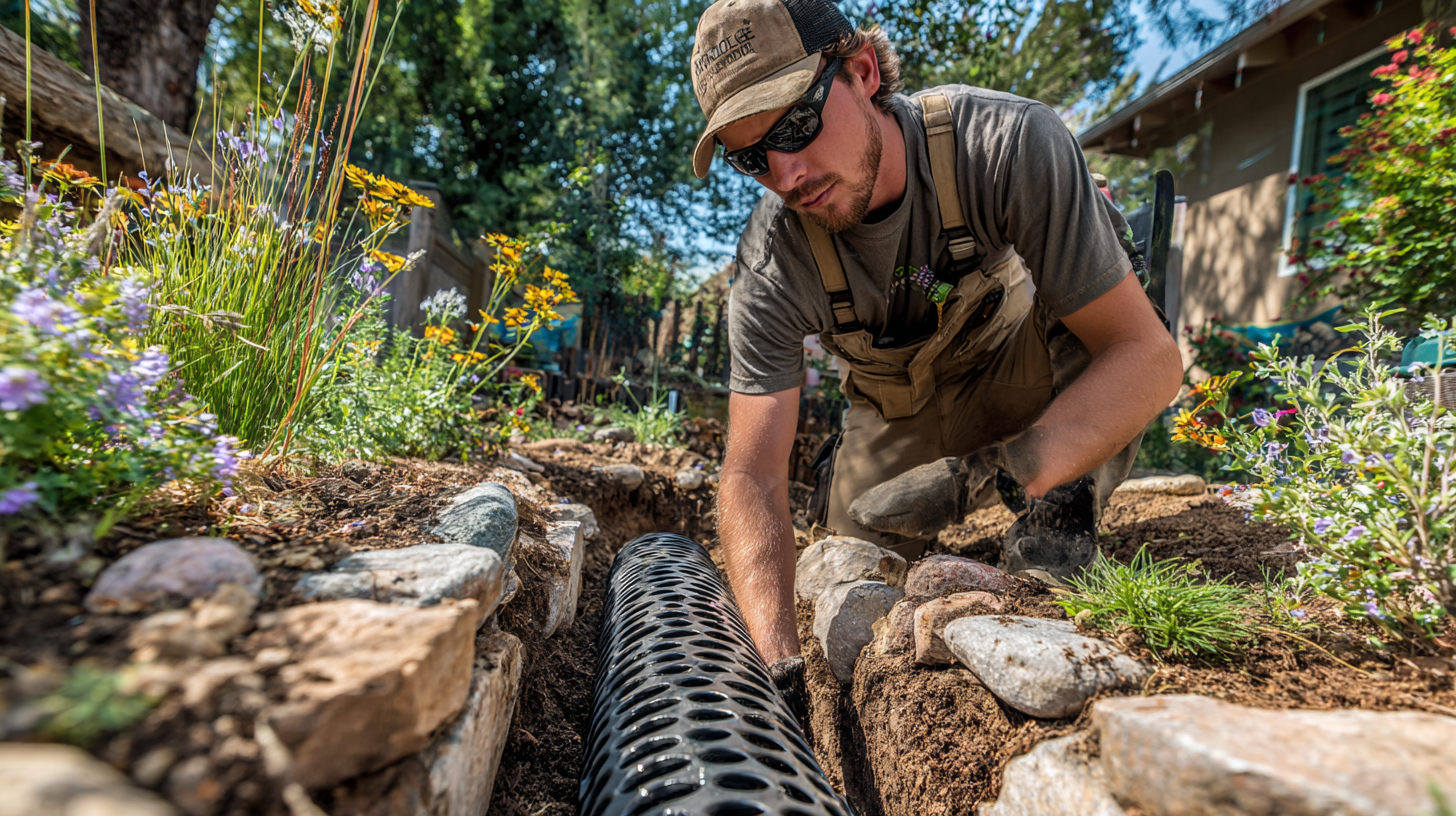
The key lies in proper pipe placement and grading calculations. Each French drain system requires precise slope measurements to maintain consistent water movement without creating new problem areas downstream. We connect these systems to daylight outlets or existing storm drainage when possible, ensuring water reaches appropriate discharge points rather than simply moving problems to different areas of your property.
Catch Basins and Surface Solutions
Catch basins work alongside French drains to handle surface water before it becomes problematic. These systems feature grated openings that collect runoff from driveways, walkways, and low-lying lawn areas. Connected to underground drainage pipes, catch basins prevent water from pooling around your home’s foundation or creating muddy patches in high-traffic areas. Learn more about surface water management through EPA environmental guidance.
Grading and Soil Improvements
Proper yard grading forms the foundation of any effective drainage solution. Water naturally flows toward the lowest points on your property, so reshaping these areas redirects problematic runoff before it creates standing water. Our grading work focuses on creating gentle slopes that move water away from structures while maintaining attractive landscape contours.
Soil amendments address drainage problems at their source by improving water infiltration rates. We incorporate organic matter and specialized drainage materials into existing clay soils to create better percolation. These improvements work particularly well in garden areas where plant selection and soil preparation must work together to create healthy growing conditions.
Raised planting beds offer another effective approach for areas with persistent drainage issues. By elevating plant roots above problematic soil conditions, these features create usable garden space while managing water flow around their perimeters. The elevation changes also add visual interest to previously flat, waterlogged areas.
Rain Gardens and Natural Solutions
Rain gardens transform drainage problems into attractive landscape features that handle water naturally. These planted depressions collect runoff from roofs, driveways, and slopes, allowing it to filter slowly through specially selected plants and amended soils. Native species like cardinal flower, blue flag iris, and swamp milkweed thrive in these wet conditions while providing seasonal color and wildlife habitat.
The design process requires careful attention to sizing and placement. Rain gardens must be large enough to handle typical storm events without overflowing, yet integrated seamlessly into your existing landscape design. We position them to intercept runoff before it reaches problem areas, creating natural filtration systems that reduce pollution while managing water flow. For additional information on green infrastructure, visit Wikipedia’s green infrastructure article.
Bioswales represent larger-scale versions of rain gardens, designed to handle runoff from extensive hard surfaces. These linear features follow natural drainage patterns while incorporating native plants and permeable hardscape materials that slow water movement and encourage infiltration.
Frequently Asked Questions
How do I know if my yard has drainage problems?
Standing water that remains for more than 24 hours after rain events indicates drainage issues. Other signs include soggy spots that never fully dry, water stains on foundation walls, and areas where grass repeatedly dies despite adequate care and maintenance.
Can I fix drainage problems myself?
Simple grading adjustments and rain garden installations are possible DIY projects for handy homeowners. However, French drain systems and major grading work require professional expertise to ensure proper function and avoid creating new problems elsewhere on your property.
How much do professional drainage solutions cost?
Drainage project costs vary significantly based on problem severity and chosen solutions. Simple surface drainage improvements start around a few hundred dollars, while comprehensive French drain systems can cost several thousand depending on system complexity and site conditions. For detailed pricing information, consider reading about landscaping costs for Asheville properties.
Will drainage work damage my existing landscape?
Professional drainage installation minimizes disruption to existing plants and hardscaping. We plan access routes carefully and time work to avoid sensitive growing seasons. Most landscape damage can be repaired immediately following drainage system completion.
How long do drainage solutions last?
Properly installed drainage systems function effectively for decades with minimal maintenance. French drains typically last 15-20 years before requiring significant updates, while surface solutions like rain gardens provide ongoing benefits with regular plant care and occasional soil amendments.
What maintenance do drainage systems require?
Most drainage systems need annual inspections to ensure pipes remain clear and catch basins function properly. Rain gardens require seasonal plant care similar to regular garden beds, while French drains benefit from periodic flushing to remove accumulated debris. For more guidance on seasonal maintenance, check our spring preparation checklist.
Can drainage solutions help with basement water problems?
Exterior drainage improvements often reduce basement moisture by directing water away from foundation walls. However, existing basement water issues may require interior waterproofing solutions in addition to yard drainage work for complete protection. The OSHA website provides resources on maintaining safe home conditions.
Do I need permits for drainage work?
Minor drainage improvements typically do not require permits, but major grading work and systems that connect to municipal storm drains may need approval. We handle permit applications when necessary and ensure all work meets local requirements.
Get Professional Drainage Solutions Today
Poor drainage solutions for your yard require expertise rooted in Asheville’s unique terrain and climate conditions. Our family has spent over 50 years perfecting drainage techniques that work reliably in mountain environments, protecting homes while creating beautiful outdoor spaces. We listen carefully to your specific concerns and design systems that address root causes rather than just treating symptoms. Contact us today.