Tree Disease Treatment in Asheville NC: Protect Your Trees
TL;DR: Asheville’s humid mountain climate and clay soil create ideal conditions for fungal diseases like brown patch, dollar spot, and pythium blight. Early identification and targeted treatment combined with proper mowing, watering, and drainage practices protect your investment and prevent costly renovation later.
Table of Contents
- Why Asheville NC Properties Are Prone to Tree and Lawn Disease
- Common Tree and Lawn Diseases We Treat in Asheville NC
- Complete Lawn Renovation vs Overseeding: When to Choose Each
- Tree Disease Treatment in Asheville NC: Our Approach
- Can Overseeding Get Rid of Weeds
- When Is the Best Time to Redo Your Lawn
- Preventing Tree and Lawn Disease in Asheville’s Mountain Climate
- Quick Recap
- Frequently Asked Questions
Key Takeaways
Tree and lawn diseases spread quickly in Asheville’s humid mountain climate. Early identification and targeted treatment protect your investment and prevent costly renovation later.
- Asheville’s humidity and clay soil make trees and turf especially vulnerable to disease
- Common problems include brown patch, dollar spot, red thread, pythium blight, and fungal tree infections
- Correct identification matters before any treatment begins
- Cultural practices like proper mowing, watering, and pruning prevent many outbreaks
- Severe damage may require overseeding, renovation, or targeted tree care after treatment
- A 50+ year local team understands how Asheville’s microclimate shapes disease risk on every property
Why Asheville NC Properties Are Prone to Tree and Lawn Disease
Asheville’s climate is genuinely unlike most of North Carolina. Our elevation keeps summers cooler and more humid than the Piedmont or coast, and that moisture-rich air lingers overnight in ways that fuel fungal growth on grass blades, tree bark, and soil surfaces. Properties in Biltmore Forest often sit beneath mature tree canopies that limit airflow and trap moisture, giving fungal spores the dark, damp environment they need to spread fast. Those same tree canopies are vulnerable too. Stressed or aging trees in shaded, wet conditions face elevated disease pressure from leaf spot fungi, canker diseases, and root rots that weaken the tree from the inside out before visible symptoms appear above ground.
Clay soil compounds every problem. Water pools on the surface and drains slowly, keeping roots saturated far longer after rain or irrigation. Weak, waterlogged roots make trees and turf far more susceptible to pathogen attack. If your property also has poor drainage issues, tree and lawn disease becomes almost inevitable without a proactive plan. Understanding these local conditions is the foundation of every tree disease treatment we perform for Asheville homeowners.
Common Tree and Lawn Diseases We Treat in Asheville NC
Not every brown patch or discolored ring means the same thing. Accurate identification is essential before any tree disease treatment begins, because applying the wrong fungicide wastes money and can stress your plants further. After 50 years serving Asheville and Biltmore Forest properties, our team recognizes the patterns, timing, and conditions that point to each specific disease.
Brown Patch creates circular tan or brown areas of grass, often with a darker ring at the edge. It spreads rapidly during warm, humid nights and thrives in tall fescue lawns that are overwatered or cut too short. Dollar Spot appears as small, silver-dollar-sized dead spots scattered across the lawn. It signals nitrogen deficiency as much as fungal pressure, so treatment involves both cultural correction and targeted fungicide application. Red Thread creates a pinkish or reddish web visible on grass blades in the early morning, favoring cool and wet spring and fall conditions common throughout Asheville. Pythium Blight is an aggressive water mold that can destroy large sections of turf in 24 to 48 hours under hot, wet conditions, leaving greasy matted grass in irregular patches that require immediate intervention.
For trees specifically, leaf spot diseases appear as dark or water-soaked spots on foliage and can cause premature defoliation when left untreated. Canker diseases cause sunken, discolored areas on bark and stems that girdle branches over time. Root rot driven by Phytophthora and similar pathogens is common in Asheville’s wet clay soils and is often the hidden cause of a tree that looks stressed without any obvious above-ground symptoms. Recognizing which disease you are facing determines the timing, product choice, and supporting cultural steps that make treatment effective rather than temporary.
Complete Lawn Renovation vs Overseeding: When to Choose Each
Choose complete lawn renovation when more than 50 percent of your lawn shows disease damage, poor soil structure, severe compaction, or persistent weed pressure that surface treatments cannot fix. Overseeding works best when your existing grass is still largely healthy but has thin areas, light disease pressure, or isolated bare patches that you want to fill in quickly without starting from scratch.
| Complete Lawn Renovation | Overseeding | |
|---|---|---|
| When to Use | More than 50% lawn damage, deep soil issues, heavy compaction | Healthy existing grass with thin or bare spots, light disease damage |
| Timeline | 8-12 weeks for full establishment | 3-6 weeks to see improvement |
| Cost | Higher initial investment | Lower cost option |
| Soil Prep | Remove old turf, amend soil, level grade | Aerate and apply seed to existing soil |
| Best Season | Spring or fall in Asheville | Fall for overseeding after aeration |
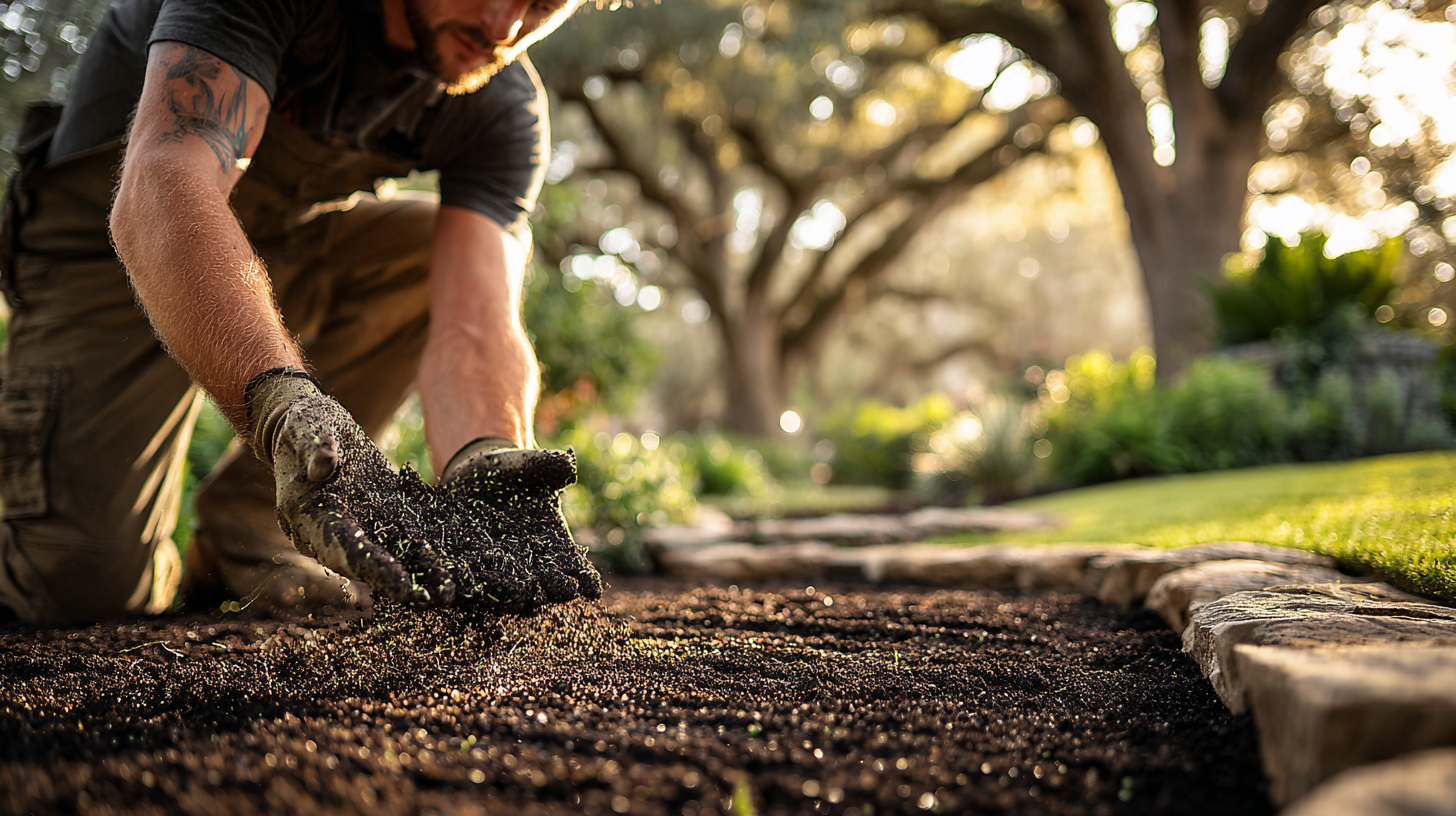
Complete lawn renovation requires removing existing turf, addressing soil compaction and drainage, and installing new sod or seed in carefully prepared beds. It is the right choice when disease has destroyed the foundation of your lawn. Renovation also gives you the opportunity to correct underlying soil pH issues using proper lime application techniques before new grass is installed. Overseeding is faster and less invasive. It works by introducing new grass seed directly into your existing lawn, often after aeration to improve seed-to-soil contact. Both approaches succeed in Asheville when the underlying cause of disease is addressed through better drainage, mowing height, and watering practices.
Tree Disease Treatment in Asheville NC: Our Approach
Effective tree disease treatment in Asheville NC starts with a thorough evaluation of your property, not a generic spray program. We walk your yard, examine your trees, study the pattern of damage, check soil moisture and compaction, and review your current mowing, watering, and pruning practices. This gives us a complete picture of what created the disease pressure in the first place so treatment addresses the root cause, not just the visible symptoms.
Where needed, we apply targeted fungicide treatments timed to the specific disease cycle, local weather forecasts, and your plant types. Systemic fungicides work from within the plant to stop disease spread, while contact fungicides protect healthy tissue from new infection. In many cases, both are used in sequence for stronger results. Alongside chemical treatment, we correct the cultural conditions that allowed disease to establish. That often means recommending adjustments to your mowing practices, improving surface drainage, or scheduling a professional aeration and overseeding session once the fungus is under control. When soil pH is contributing to weak trees and grass and elevated disease susceptibility, we pair treatment with proper lime application techniques to restore healthy growing conditions.
Recovery timelines vary by disease severity and plant variety, but most Asheville properties treated early in an outbreak show visible improvement within two to four weeks. Lawns and trees with widespread damage may need a full growing season to recover fully, and some cases benefit from strategic bare spot repair once the disease is eliminated.
Can Overseeding Get Rid of Weeds
Overseeding alone does not eliminate existing weeds, but it can prevent new weeds from taking hold by filling bare spots with desirable grass that outcompetes weed seedlings. If your lawn already has significant weed pressure, you should address weeds first through targeted herbicide application or removal, then overseed to densify turf and resist future weed invasion.
The goal of overseeding is to increase grass density so aggressively that there is no room or light for weeds to establish. In Asheville, fall overseeding paired with aeration creates ideal conditions for new grass to germinate and fill spaces where weeds previously thrived. However, if weeds are already dominant in your lawn, simply spreading seed over the top will not solve the problem. Our approach combines weed control, aeration, and proper bare spot repair methods in the correct sequence so you end up with a dense, weed-resistant turf.
When Is the Best Time to Redo Your Lawn
The best time to redo your lawn in Asheville is fall, specifically September through mid-October, when soil temperatures are still warm but air temperatures cool, creating ideal germination conditions for cool-season grasses like fescue. Spring renovation in April and early May is the second-best option, though summer heat arrives faster in the North Carolina mountains than most realize, and newly seeded lawns struggle in late spring and early summer without intensive watering.
Fall is superior for complete lawn renovation in Asheville because cool-season grasses that thrive in our mountain climate germinate reliably in fall soil warmth and establish deep root systems through the winter before facing spring stress. Spring renovation works if you complete seeding by early May, but any delays push your new grass into Asheville’s hot, humid summer when fescue and similar cool-season grasses struggle without constant moisture. Avoid summer renovation entirely. Winter renovation is impossible due to freezing soil and dormancy. If disease or damage has destroyed your lawn and you are reading this in late summer or winter, prepare your site and plan for fall seeding to give your investment the best possible chance of success. A thorough site analysis during summer helps you plan the renovation timeline and identify drainage and soil corrections needed before fall work begins.
Preventing Tree and Lawn Disease in Asheville’s Mountain Climate
Prevention is always more cost-effective than treatment. Once you understand what conditions invite disease in Asheville, protecting your trees and turf becomes a matter of consistent, smart maintenance rather than emergency intervention. Our team helps you build habits and schedules that reduce disease pressure year-round.
Water your lawn and garden beds in the early morning so foliage and grass blades dry out fully during the day. Evening irrigation leaves moisture on the surface overnight, which is exactly when fungal spores germinate and spread on both turf and tree leaves. Avoid cutting more than one-third of the blade height in a single mowing session, and keep your mower blades sharp to prevent the ragged cuts that invite disease entry. Incorporating grasscycling techniques returns organic matter to the soil without the thatch buildup that harbors fungal spores.
Choosing the right fertilizer strategy also matters significantly. Excess nitrogen in summer pushes lush, soft growth in both turf and trees that is highly vulnerable to brown patch, pythium, and leaf spot diseases. Understanding the balance between organic vs synthetic fertilizer options helps you feed your landscape without creating the conditions that invite disease. Slow-release organic fertilizers provide steady nutrition without the disease-prone flush of soft growth that fast-acting synthetics produce.
Improve air circulation around trees and shrubs by selectively pruning lower branches and removing deadwood where fungal spores hide. Keep mulch two to three inches deep and pulled back several inches from tree bases so soil stays moist but not waterlogged, and the bark line stays dry. Most importantly, understand that disease prevention is an investment in your landscape’s long-term health and beauty. The time and modest cost spent on proper mowing, watering, and fertilizer choices now prevent thousands of dollars in emergency treatment and renovation down the road.
Quick Recap
- Asheville’s humidity and clay soil create ideal conditions for fungal tree and lawn diseases to spread rapidly
- Brown patch, dollar spot, red thread, and pythium blight are common turf diseases; leaf spot, canker, and root rot threaten trees
- Correct disease identification before treatment ensures your money and effort produce real results
- Early treatment and cultural correction combined with proper drainage and mowing practices stop disease in two to four weeks for most properties
- Choose complete lawn renovation for severe damage affecting more than half your lawn; overseed to fill thin spots in otherwise healthy turf
- Fall is the best season for lawn renovation in Asheville’s mountain climate
- Prevention through proper watering timing, mowing height, and fertilizer balance costs far less than emergency treatment later
- Fifty years of local expertise means we understand how Asheville’s specific microclimate shapes disease risk on Biltmore Forest and surrounding properties
Frequently Asked Questions
What causes brown patch disease on my Asheville lawn?
Brown patch thrives in warm, humid nights and tall fescue lawns that are overwatered or mowed too short. Asheville’s mountain climate and evening moisture create perfect conditions for the fungus to spread. Improving drainage, raising your mowing height, and watering only in the early morning will reduce brown patch pressure significantly.
How long does it take to recover from tree disease treatment?
Most Asheville properties treated early in a disease outbreak show visible improvement within two to four weeks. Lawns and trees with severe or widespread damage may need a full growing season to recover completely, and some benefit from follow-up bare spot repair or targeted maintenance once the disease is eliminated.
Should I aerate before or after treating tree disease?
If your lawn has poor drainage or soil compaction contributing to disease, aerate after the fungal infection is under control. Aeration and overseeding work best together in fall, once treatment has eliminated active disease pressure. Aerating a diseased lawn can spread fungal spores through the soil.
Is pythium blight treatable once it starts?
Pythium blight spreads so rapidly, killing large turf sections in 24 to 48 hours, that immediate professional intervention is essential. Early identification and aggressive fungicide application combined with improved drainage and moisture management can slow or stop the spread, but recovery always requires restoration of the dead areas once the disease subsides.
What is the difference between organic and synthetic fungicides?
Systemic fungicides (often synthetic) work from within the plant to stop disease spread, while contact fungicides (sometimes organic) protect healthy tissue from new infection. The best results often come from using both in sequence. Ask our team which approach fits your specific disease and plant type.
How often should I have my trees inspected for disease in Asheville?
Annual inspections in spring or early summer are ideal for catching disease early before it weakens your trees significantly. After 50 years in Asheville, our team can spot early signs of leaf spot, canker, and root rot that most homeowners miss until serious damage appears.
Can I prevent disease on my own without professional help?
You can reduce disease pressure significantly through proper watering timing, correct mowing height, sharp blades, and balanced fertilizer choices. However, disease identification, targeted fungicide application, and complex drainage solutions benefit from professional expertise. Contact us to learn which practices you can handle and where professional care protects your investment most effectively.
Contact us today to discuss tree disease treatment for your Asheville or Biltmore Forest property and create a prevention plan built on 50 years of local knowledge.